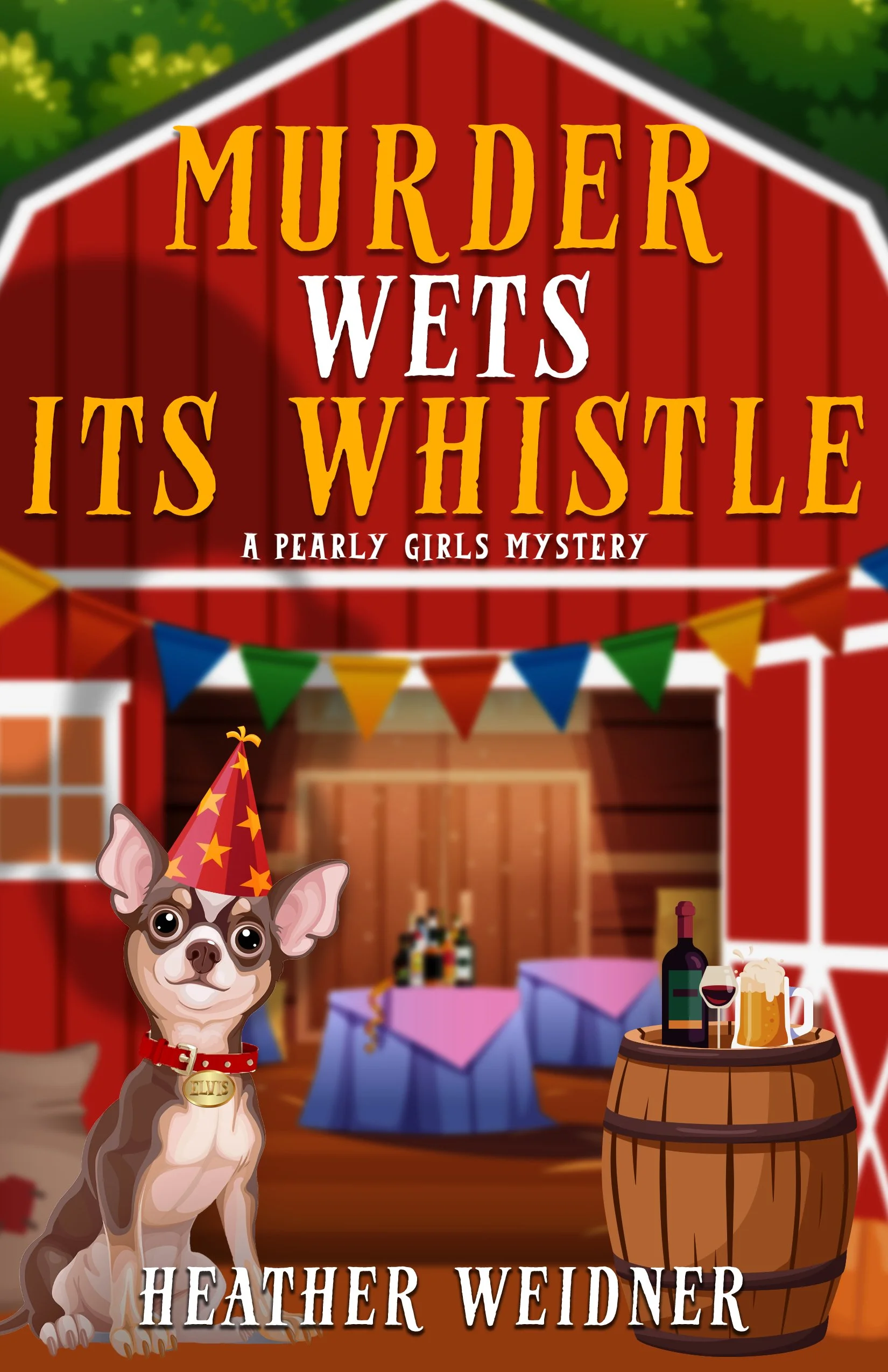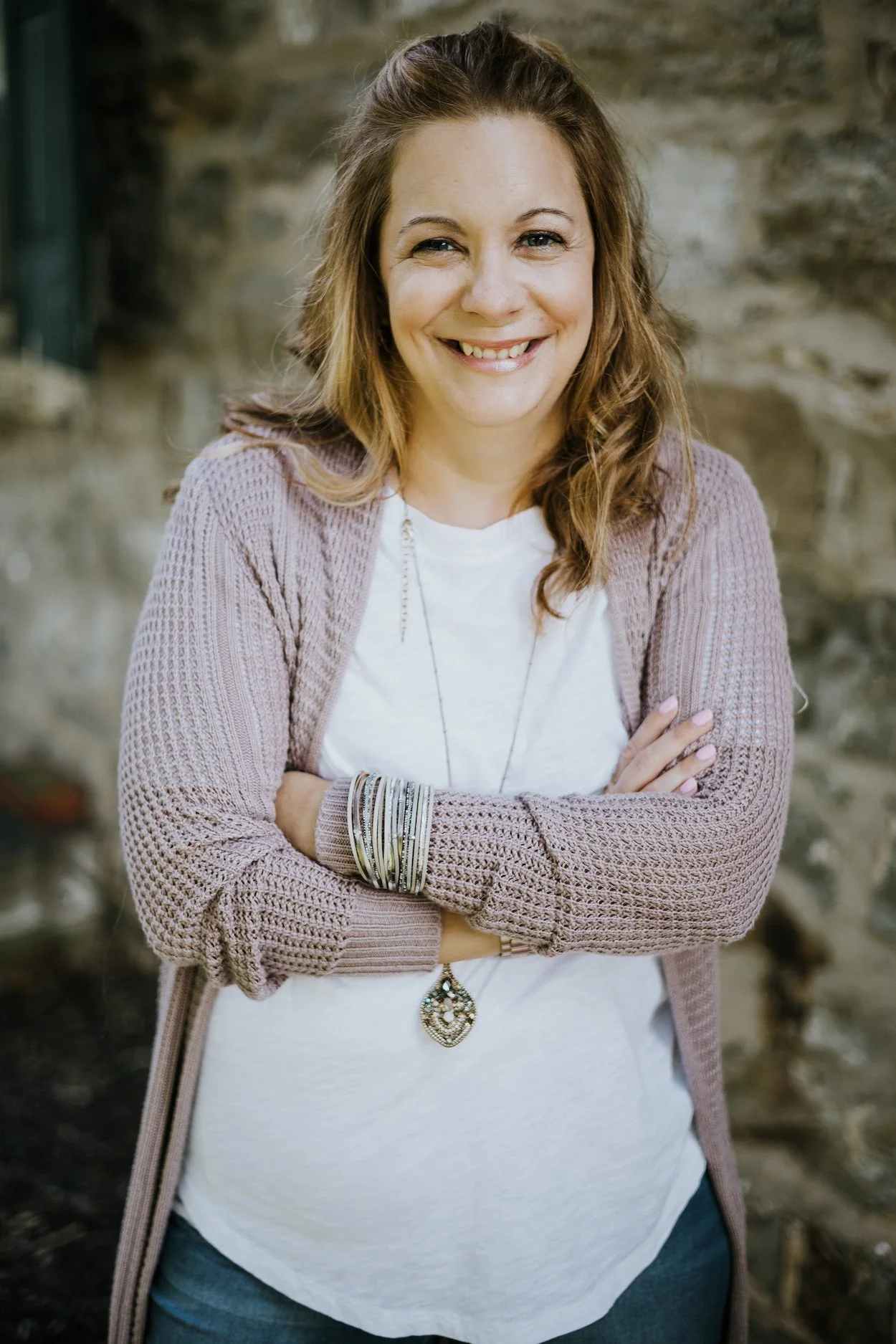
#WriterWednesday Author Interview with Rebecca Saltzer

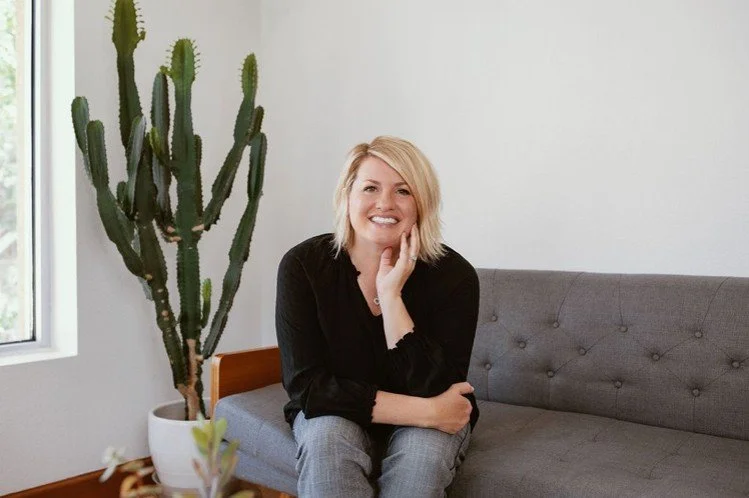
I’d like to welcome Rebecca Saltzer to the blog for #WriterWednesday!

Most daring thing you’ve ever done: Quitting my job on Wall Street with no plans other than to take a trip to Europe and then come home and write a mystery novel.

Something you chickened out from doing: Trying to actually make a living as a writer. I went to graduate school instead, got my PhD in earthquake seismology, and saved some money before picking the writing back up.

Things you always put in your books: Independent, smart women. They’re fun to read about and are the type of people I choose as friends.

Things you never put in your books: Sex and gratuitous violence. For me, the interesting part of a murder mystery is understanding the motivation behind the crime and solving the puzzle of who did it.

Some real-life story that made it to one of your books: Murder Over Broken Bonds is loosely based on a real fraud I investigated when I worked as a bond analyst at a NY City investment bank. My second and third novels, Not Accounting for Murder and A Golden Opportunity for Murder, borrow from the Enron collapse and the 1963 Salad Oil Swindle, respectively. And, a drunk trader really did throw up after a company party, all over my coat and shoes.

Something in your story that readers think is about you, but it’s not: I’m occasionally asked if someone actually got murdered because of the fraud. (Not that I know of.)

Something you’re really good at: Recognizing when something doesn’t add up—it’s my protagonist’s superpower too.

Something you’re really bad at: Letting things go. If something doesn’t make sense, I will keep poking until I get to the bottom of it. On Wall Street, that saved traders from costly mistakes. That said, my husband would probably prefer if I applied it only to fiction.

Besides writing, what’s the most creative thing you’ve done: In college, I co-hosted a Friday afternoon news program on the local radio station with a friend.

A project that didn’t quite turn out the way you planned it: One time on the radio show, we managed to play two songs at the same time over the air. When we realized what had happened, we offered a free pizza to whoever could identify the two songs. Not a single person called!

Things to say to an author: Did the stuff you write about really happen when you worked on Wall Street?

Things to say to an author if you want to be fictionally killed off in their next book: Have you read (fill-in-the-blank-with-a-completely-different genre)…? Maybe you could write something more like that.

Your favorite movie as a child: ET. It was fun to watch his adventures after being stranded on earth and so sad when he had to leave!

A TV show or movie that kept you awake at night as a kid (or as an adult): A horror movie called Have You Seen the Children? My sister and I were in high school and my parents took a trip abroad leaving the two of us alone at the house. At 4 am the phone rang, and I leapt out of bed. As I ran to grab it in the other room, I kept thinking of the murderer’s creepy voice asking “Have you seen the children??????” It turned out to be my mother, calling from the airport during a layover stop to say hello.

My favorite book as a child: Charlotte's Web.

A book I've read more than once: Same answer— but the amazing part is that a few years after reading it, I actually met the author, E.B. White. He lived on an old farm on the coast of Maine and showed me the barn that inspired Wilbur and Charlotte. His writing spot was a small cottage apart from the house, with a view of the ocean — I still think about that when I imagine my own ideal place to write.

Words that describe you: Curious, analytical, and perceptive. I spent years on Wall Street learning that the line between ambition and greed is razor thin—and that everyone has something to hide. It's the theme running through my whole Wall Street Mystery series, honestly.

Words that describe you, but you wish they didn’t: Skeptical. I never believe the obvious explanation. My characters (and family) find this exhausting. Fortunately, my readers seem to appreciate it.

Hardest thing about being a writer: It’s solitary. You work for long periods of time, alone. To make sure I’m not writing in a vacuum, I link up with fellow authors through various writing organizations and belong to a critique group. It’s a great place to get candid feedback about which parts of the narrative work and, more importantly, which parts don’t.

Easiest thing about being a writer: Rewriting the story. You can’t do that in real life.

About Rebecca:

Rebecca Saltzer worked as a bond analyst on the trading floor at Lehman Brothers in New York City in the financial heyday of the eighties. Like the protagonist in her novel, she sometimes encountered fraud and other questionable business practices, except in real life, none of it led to murder. In 2021, Rebecca received the William F. Deeck-Malice Domestic Grant for unpublished writers. When she’s not writing, she enjoys hiking with her two rescue dogs and exploring the great outdoors.

Let’s Be Social:

Author Website:  www.saltzerbooks.com/

Facebook: www.facebook.com/rebecca.saltzer.14/

Twitter/X: www.twitter.com/RebeccaSaltzer

Writing Mixtape - Where Do Story Ideas Come from?

I’m often asked where ideas for my mysteries come from. The answer is everywhere.

Real World News/Stories - Many ideas come from real world news, odd history shows, overheard conversations, and weird objects in stores. Anything that is unusual or odd can be a spark for a story. I find the best “murder weapons” in antique, hardware, and kitchen supply stores.

Moral Dilemmas - Look for situations that contain betrayal, loyalty, justice, and power themes. All have the makings of a good story.

Brainstorm Ideas - Sit down for ten or fifteen minutes and jot down or type any idea that comes into your head. You never know what will pop up. It will give you a starting point. Don’t edit, just make a list of what comes to mind.

Brainstorm with Others - The most fun we had in my writers’ group/critique group was when we did a group brainstorm to help out an author with some plot ideas. Some of our ideas were wacky and others were pretty good. It was a fun activity, and we all got a creative spark from it.

Create an Idea File - I used to rip out magazine and newspaper articles when we actually had those and keep them in a file. That graduated to a collection of sticky notes of cool things I wanted to remember. To corral the mess, I finally put together an organized (massive) idea spreadsheet. I go through the tabs before I start to plot. Make sure to mark off what you have already used before. If a file or spreadsheet, don’t work for you, you may try an idea journal.

What do you do to come up with ideas for a story?

#ThisorThatThursday Author Interview with Zachary Hagen

I’d like to welcome author, Zachary Hagen, to the blog for #ThisorThatThursday!

Favorite thing to do when you have free time: Play with my son and relax with my wife.

The thing you’ll always move to the bottom of your to do list: Literally any cleaning task. I despise it. I’d rather keep things tidy than clean later.

Things you need when you’re in your writing cave: I play wordless music, something mildly stimulating so that I don’t lose focus on the writing but don’t get distracted by other noises.

Things that distract you from writing: Frankly, my wife and kid. I try to write later at night when they’ve gone to bed because of this.

Hardest thing about being a writer: Having enough faith in your work to bet money for ads, professional covers, editing, and such to be able to sell the books consistently.

Easiest thing about being a writer: Telling stories you’re excited about. I love getting to dither tell a new story or a new take on an old one.

Things you will run to the store for at midnight: Listen, I know it’s not in the spirit of this list, but nothing is good enough for me to go anywhere at midnight. That being said, I keep sparkling water stocked in my house.

Things you never put on your shopping list: Excess sweets. If I’m going to spend the calories, anything I make at home is going to taste better than anything out of a package.

Favorite snacks: I am a sucker for almost anything peanut butter.

Things that make you want to gag:  Anchovies. With the way they were trending on my feed, I tried them in a calzone. Those little stinkers only have business being where they cannot be directly tasted such as dressings and other sauces.

Something you wanted to be when you were a kid: I wanted to be a writer and a teacher.

Something you do that you never dreamed you’d do: I’m entering into a stage of life where I’m an entrepreneur of sorts, which is way out of my comfort zone, but I’m excited, so I push forward into the unknown, so to speak.

Last best thing you ate: I had this absolutely incredible tomato dish in Remy on the Disney Fantasy this summer, and it completely stunned me. I had no idea tomatoes, of all things, could be so delicious.

Last thing you regret eating: To repeat a theme, a calzone with anchovies in it. I’m never doing that again.

Things to say to an author: “I really enjoyed your last book! If you ever need a review or an arc reader, let me know!”

Things to say to an author if you want to be fictionally killed off in their next book: “I liked the Hunger Games better.” I actually had someone say basically this in a review. It was for a fantasy book, which is wildly different. I wasn’t trying to pass it off as dystopian fiction, but that was the gist of the review. Odd.

The most exciting thing about your writing life: The flow of ideas and the privilege to talk to such amazing people.

The one thing you wish you could do over in your writing life: I wish I’d put more effort into my debut launch and started with more momentum. Now, I feel like I’m catching up, but I also know I can do this.

Recommendations for curing writer’s block: Plot the entire story from start to finish. You can catch the block there. If you know a story beat doesn’t work, you haven’t spent 30k words and hours and hours getting to it. Start with the whole plan, and then everything flows once you know the whole story and the voice you want to write in.

Things you do to avoid writing: Do not ever edit while you write unless it’s a minor typo. If you stop to edit everything, you’ll never finish writing.

About Zachary:

Zachary Hagen is a Minnesota based fantasy author and editor. He lives there with his wife, Claudia, and their dog, Flynn. When he isn't busy writing his next book or working with an editing client, you can often find him walking around his neighborhood or hiking.

From a young age he was enthralled with the world of story. From the stories his parents read to him from his blue bedtime story books (if you know, you know) to the first two series that he read, The Chronicles of Narnia and A Series of Unfortunate Events, Zachary's tastes continued to develop throughout his years of reading.

The influences for his first series, The Eternal Chronicles, include Christopher Paolini, J. R. R. Tolkien, C. S. Lewis, and others.

#WriterWednesday Author Interview with Diann Floyd Boehm

I’d like to welcome Diann Floyd Boehm to the blog for #WriterWednesday!

Favorite thing to do when you have free time:
It depends on the city we are visiting, but I love exploring museums, going to the theater, and enjoying different restaurants.

The thing you’ll always move to the bottom of your to-do list.
Mopping the floors. I like having the kitchen swept and the floors clean, but mopping is not my

Things you need when you’re in your writing cave:
The most important thing I need is my computer. Depending on the story, I also use music to help set the mood. When I was writing my young-adult historical fiction, I listened to music from the 1920s. When I am writing children’s books, I may play children’s songs to put me in the right frame of mind. One of my favorites is Joe Scruggs’ “Peanut Butter,” which was also one of my children’s favorite songs.

Things that distract you from writing:
Music with lyrics I know can be very distracting. If I sing along, I lose my train of thought because I want to join in or because the song brings back wonderful memories.

Hardest thing about being a writer:
Facing a blank page. I may know what I want to write about and who my characters are but finding that first sentence is often the hardest part. I have learned to simply begin writing, then go back and revise once I am in the zone.

Easiest thing about being a writer:
Visiting schools, meeting children, and reading to them. Seeing their faces light up as they tell me about a favorite character or illustration brings me so much joy.

The coolest thing you’ve bought online:
An electric wine decanter that I bought as a gift for my husband.

The thing you wish you’d never bought:
A dog ramp for our car. It did not work very well with an SUV, although it would probably be great for a sedan. I donated it to Goodwill in hopes that someone else could use it.

Favorite snacks:
I am a sucker for freshly baked chocolate cookies—the more chocolate, the better.

Things that make you want to gag:
The smell of brussels sprouts cooking. My husband enjoys them, but I cannot stand how they make the house smell. He usually cooks them when I am out with the girls and airs out the house afterward.

Something you’re really good at. I enjoy singing and I am working on a Christmas song list that I hope to perform at nursing homes. I also enjoy serving on the board at St. Michael’s Episcopal Day School. It is wonderful to stay connected to a school, learn about new teaching techniques, and know that I play a small role in supporting teachers and their students.

Something you are really bad at:
I am terrible at ice skating. I would watch my brother, Danny glide on the ice, skating with our aunt. I would hold on to the wall because I was so afraid of falling. I also do not trust myself on skis.

Something you wanted to be when you were a kid:
I wanted to be the next Singing Nun. I loved that the real Singing Nun, Jeanne Deckers, because she could sing professionally while still being a nun. I admired the idea of sharing love and joy with people through music.

Something you do that you never dreamed you’d do. I never imagined I would go spelunking in Dubai, rappelling in Costa Rica, or dog sledding in the Arctic. When those opportunities came along, I decided I could not pass up the chance to have those experiences.

Something you wish you could do.
I wish I had a gift for languages like my husband does. It is wonderful to be able to understand and communicate with people in other countries.

Something you wish you’d never learned to do:
I honestly cannot think of anything I have learned that I wish I had not.

Last best thing you ate:
When John and I were vacationing in Colorado, we went to a restaurant that served an incredible bruschetta appetizer, fig spread topped with a thick layer of whipped feta cheese. It was so delicious that we went back the next night just to have it again.

Last thing you regret eating:
I ordered fish at a restaurant that was not nearly as good as I remembered it being. I knew right away that I would not order it again.

Best thing you’ve ever done:
Marrying my husband was, and still is, the best thing I have ever done. Forty-seven years, three children, and one grandchild later, I am living a dream life.

Biggest mistake:
When I was a little girl, my dog got out and followed me to school. I took him back home three times, but eventually I had to get to school because I was already late. Sadly, he was hit by a car. I remember walking into my classroom crying hysterically, and my teacher could not calm me down. Eventually, he had a friend talk with me at recess and he gave me time alone to grieve. I have always wished I had stayed home with him that day, even if it meant missing school. I loved him very much.

 About Diann

Diann Floyd Boehm is an award-winning international children’s author, educator, storyteller, and humanitarian based in Austin, Texas. Her stories encourage young readers to be kind, believe in themselves, and let their imaginations soar.

Diann writes children’s picture books and young adult historical fiction, drawing on her life in the United States, the Philippines, and Dubai to bring heart, hope, creativity, and a global perspective to every story. Her work celebrates kindness, peace, imagination, curiosity, confidence, and the power of storytelling to build bridges across cultures.

Her books include Boomer Sees the Town! - Boomer Hears the Forest! - Boomer the Curious Bunny, Book II, Rise! A Girl’s Struggle for More, Ruby Takes Chicago, and A Song of Peace, among other beloved titles for children and young adults.

A former classroom teacher in the United States and at the International School of the Philippines, Diann is a passionate visiting author and educator. She has worked with students and teachers in schools throughout Dubai, Saudi Arabia, and numerous U.S. states. Through author visits, workshops, readings, Q&A sessions, and creative-writing activities, she inspires young people to read, write, create, practice kindness, and believe in themselves. She also appears at museums, book festivals, and community events, engaging audiences in conversations about imagination, and creative writing.

Diann is also a dynamic speaker and media personality. She previously served as an expert correspondent and on-air host for USA Global TV & Radio and co-hosted the live-stream program Royally Confidential with Helena Chard. Drawing on her background in musical theatre and stage performance, she brings an energetic, engaging presence to events for audiences of all ages.

She holds a Bachelor of Science in Education from George Mason University in Fairfax, Virginia, as well as Kindergarten Certification from The University of Texas at Austin. Diann has received multiple honors for her international body of work in children’s books and young adult historical fiction, especially for stories that promote kindness, peace, self-esteem.

Beyond writing and speaking, Diann remains involved in humanitarian projects that support children, education, and connection across cultures. Shaped by extensive travel and years living overseas, her mission is simple, to use stories to uplift, encourage, and connect hearts around the world.


Writing Mixtape - Do You Keep an Observation Journal?

Authors, have you thought about keeping an observation journal? It’s a great way to keep track of ideas and thoughts that you may want to use later in a book.

There are so many things that you hear and see every day that you may want to remember for a future writing project.

No one is safe around me. I am always jotting down cool names and snippets of interesting dialog. Originally, I wrote these down on sticky notes. My purse, briefcase, and lunch bag were always full of notes. A journal is a single, organized place to record notes, so it’s a great way to get organized.

If you don’t have a way of recording your thoughts and ideas, think about pulling out one of those pretty journals that you’ve been saving and start recording your observations. After a few weeks, you’ll be surprised at what you’ve collected.

Do you journal? And do you ever use what you record in your books?

#ThisorThatThursday Interview with Rachael M. Colby

I’d like to welcome Rachael M. Colby to the blog this week for #ThisorThatThursday!

Hardest thing about being a writer:

The hardest thing about being a writer is pushing past all the must-do-now’s that beckon to get to my desk. Then quieting their chatter and getting my head in the writing zone.

Easiest thing about being a writer:

I wasn’t aware there was anything easy about being a writer. Especially if the goal is to always learn and grow, and to pursue excellence. But it’s wonderful when inspiration strikes like lightning and I capture it right then.

Things you need for your writing sessions:

Chocolate and ice-cold fruit-flavored vitamin-enhanced water. Of most importance are prayer, God’s presence, and leading. Various Christian music to energize, inspire, or settle me as needed.

Things that hamper your writing:

It weighs on my heart when loved ones go through turbulent seasons or walk treacherous paths. I must remind myself again to place them in Jesus’ capable care in order to focus and write.

Words that describe you:

People call me an encourager. (It’s my joy to encourage faith and help writers.) Artist. Truth seeker. Poet. Problem solver. Strong-willed, passionate and unapologetic about my beliefs. Work-in-progress. Jesus lover.

Words that describe you, but you wish they didn’t:

I considered starting a support group called Overthinkers Anonymous, but since I’m also a procrastinator, that probably won’t happen.

Last best thing you ate:

Lavender blossom bittersweet chocolate bark by Ragged Coast Chocolates in Maine.

Last thing you regret eating:

Brussel sprouts.

Things you always put in your books:

Hope, redemption, encouragement, fun, harmony in diversity shown in nature and relationships. Truth, even when it’s wrapped in fiction.

For Mother’s Day, my daughter gave me a custom-designed embosser for my books. The words on it say, “Imagined with love.”

Things you never put in your books:

I do not include swearing, graphic sex, or violence in my writings. Neither do I write depictions or messages of evil being good, nor promote any behavior that is contrary to biblical standards.

Things to say to an author:

Tell them how their writing encouraged, inspired, or instructed you. Don’t quit.

Things to say to an author if you want to be fictionally killed off in their next book:

When someone says they’re a writer and you reply, “Oh. That’s a nice hobby.” Another is, “You’re just in it for recognition and the money.”

Favorite books (or genre):

I love nonfiction about inspiring lives, people who overcome obstacles, do courageous, seemingly impossible things, and change others’ lives for good. Also books that help me hone my craft and draw closer to God. I enjoy clean reads that make me laugh.

Books you wouldn’t buy:

I don’t buy books that include graphic sex or violence, crude language, or promote lifestyles contrary to biblical standards or that slander good.

Favorite things to do:

Long walks with friends on the beach. Getting lost in a book. Watching sunsets and chasing moonrises with my husband. When my grown kids are all together, I love observing their interactions, listening to their banter and laughter.

Things you’d run through a fire or eat bugs to get out of doing:

Running through fire would frizz my hair, and I work hard to tame it. I prefer 77 degrees and a light tropical breeze—and keep the fire over there. Bugs bug me out, so I’ll pass on those too. (Including when friends had a cicada party and made chocolate chip cicada cookies, salad, and stir-fry with them.)

Maybe to avoid math.

Most daring thing you’ve ever done:

I gave my grandmother’s eulogy, though the minister had denied me permission to do so before the service. That story titled “A Time to Disobey” originally published in the compilation book Mountains Moved: 45 Devotions on Bold Faith, is now also on my website here: https://tattooitonyourheart.com/2025/12/13/a-time-to-disobey/

Something you chickened out from doing:

I sidestepped speaking from a stage during my school years (though it was mandatory) and for my entire life until I started writing. In 2015, an older friend and mentor persuaded me, and trembling, I shared a poem at an event for the first time.

The funniest thing to happen to you:

My vacuum cleaner tried to scalp me. Originally published in the compilation book Chicken Soup for the Soul: Well, That Was Funny, my story titled “A Hairy Dilemma” is now available to read on my website here: https://tattooitonyourheart.com/2026/03/27/a-hairy-dilemma/

The most embarrassing thing to happen to you:

There’s no way I’m sharing that. But I suggest you let your husband watch your kid at church and go to the bathroom by yourself.

Besides writing, what’s the most creative thing you’ve done:

I’ve painted custom scenes of people’s favorite places on the one-to two-inch wooden frames of antique windows. I also scrimshaw on antique ivory piano keys (engraving artwork in ink) to make bookmarks.

A project that didn’t quite turn out the way you planned it:

When my $70 batch of soap cracked and fell out of the mold in several pieces rather than a solid block. But I redeemed it. But that’s another story.

My favorite book as a child:

The Chronicles of Narnia series by C.S. Lewis.

A book I’ve read more than once:

The Chronicles of Narnia series by C.S. Lewis when I was nine years old, at 21, and in my 40s.

About Rachael:

Rachael M. Colby has a heart for reconciliation and a passion to uplift those who serve in tough places. She writes to connect cultures’ questions with Christianity’s answers, inspire faith, and motivate.

She’s a multi-genre, award-winning writer, Cecil Murphey protégé, Jerry Jenkins Writers Guild member, speaker, editor, and the author of Tropical Dreams.

Rachael’s work has appeared in Chicken Soup for the Soul, on The Write Conversation, BRMCWC Blog, online publications, compilation books, and the Oak Ridger newspaper.

This Jamaican-born wife and mom resides in Cape Cod, Massachusetts, runs on chocolate and a lotta “Help me, Jesus,” and blogs at TattooItOnYourHeart.com.

#WriterWednesday Author Interview with Alice Fitzpatrick

I’d like to welcome Alice Fitzpatrick to the blog for #WriterWednesday!

Things you need for your writing sessions: I need absolute silence.

Things that hamper your writing: I can’t listen to music. As a singer, if the music has words, I want to sing along. As a dancer, if the music is orchestral, I mentally choreograph.

Last best thing you ate: It’s always vegan mac and cheese.

Last thing you regret eating: A large pizza but the regret was because of its size.

Favorite music or song: Anything by J.S. Bach, Stephen Sondheim, or George Gershwin.

Music that drives you crazy: Country and western music is tiny and whiny and grates like nails on a blackboard.

Things you’d walk a mile for: Vegan chocolate ice-cream

Things that make you want to run screaming from the room: Pictures or descriptions of animal abuse

Things you always put in your books: My mysteries always have at least one dead body.

Things you never put in your books: I could never hurt a child or animal, even fictional ones.

Things to say to an author: I can’t wait for your next book.

Things to say to an author if you want to be fictionally killed off in their next book: Why haven’t I hear of you? This was actually said to me at a recent in-person sales event.

Favorite books (or genre): Traditional British mysteries, especially any book written by Elly Griffiths

Books you wouldn’t buy: Westerns and military fantasy.

The coolest person you’ve ever met: Scottish crime writer Val McDermid. The last time she was in Toronto, my Sisters in Crime chapter took her out to dinner. She sat next to me, and once she learnt I was a vegan, she told me all about her vegetarian son.

The celebrity who didn’t look like he/she did in pictures/video: Any writer who doesn’t update their social media headshots for twenty years.

Besides writing, what’s the most creative thing you’ve done: I’m a classically trained singer and dancer.

A project that didn’t quite turn out the way you planned it: I began to write a literary novel with no idea where it was going. Consequently, it went nowhere.

Some real-life story that made it to one of your books: In the first book in my Meredith Island Mysteries series, my protagonist’s investigation into the death of her aunt fifty years previous mirrored my lifelong attempt to understand the death of my uncle who died before I was born I’ll never know the truth of how my uncle died, but at least I was able to give my protagonist some closure with her aunt.

Something in your story that readers think is about you, but it’s not: Because I have multiple university degrees, readers may assume that my analytic, academic protagonist is based on me. In reality, I am a combination of her and her sidekick who is an impulsive, imaginative artist.

My favorite book as a child: Alice in Wonderland

A book I’ve read more than once: Rebecca by Daphne du Maurier

Your favorite movie as a child: The Wizard of Oz

A TV show or movie that kept you awake at night as a kid (or as an adult): The Shining is the ultimate horror story for writers. Despite having all the time in the word with few distractions, Jack Torrance can only write nonsense.

About Alice:

Alice Fitzpatrick has contributed short stories to literary magazines and anthologies, including the Crime Writers of Canada 40th anniversary anthology, Cold Canadian Crime. She is a fearless champion of singing, cats, all things Welsh, and the Oxford comma. Her summers spent with her Welsh family in Pembrokeshire inspired the creation of the Meredith Island Mysteries which include Secrets in the Water and A Dark Death (finalist for the 2026 Crime Writers of Canada award for Best Traditional Mystery). The traditional mystery appeals to her fascination with what makes seemingly ordinary people commit murder. Alice lives in Toronto but dreams of a cottage on the Welsh coast.

Writing Mixtape - Writers Need Feedback

Research, writing, and revising are solitary tasks. Writers need feedback to ensure that their work is ready for publication, and it’s one of the hardest things for writers to do.

You have put a lot of blood, sweat, and tears into your work, and it takes a lot of courage to hand it over to someone who is going to make comments, positive and negative.

Writers need a critique partner, critique group, or beta readers to help them find plotholes, text that doesn’t make sense, and narrative that takes you out of the story and down a rabbit hole. They can help you find inconsistencies and overused words.

When I joined my first critique group, I thought my beautiful manuscript was ready for the world. (It wasn’t.) After critique group, it would take me a couple of days get the nerve to delve into the feedback. It was hard to read through that sea of red ink.

One key to feedback is that you as a writer need to review the comment with a clear eye and decide if it will improve your book. If two or three people mentioned the issue, then I would usually change it. If the comment changed my character drastically or my voice, then I may not make the alteration.

Good critique groups and partners and beta readers are worth their weight in gold. They can help you see what is in plain sight that you missed.

You are about to release your baby into a world full of readers and reviewers who can often be sharp-tongued with their opinions. Writers need to learn to not take feedback personally. It is hard. Negative points never make you feel good, but your goal is to make your work the best it can be.