#ThisorThatThursday: Welcome, Jayne Ormerod

#ThisorThatThursday Logo.png

I’d like to welcome Jayne Ormerod to the blog for my inaugural #ThisorThatThursday author interview. I gave the authors a series of questions in pairs and asked them to tell us about themselves.

Jayne O3.jpg

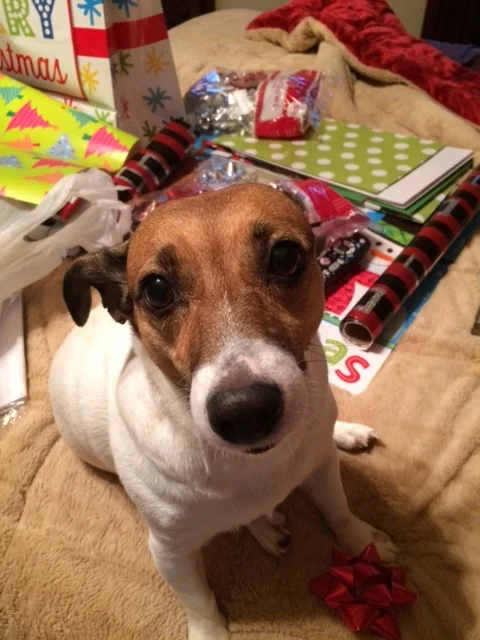
A few of your favorite things: Almost all food and wine; a good book on a rainy day; a walk on the shore in any weather; and dogs. If I had a big enough yard, I would be that ā€œcrazy dog lady.ā€

Things you need to throw out: I have a lot of clothes I need to throw out, partly because I bought on-line and the sizing/quality was way off and it was too much of a hassle to return. My spice rack could do with a good cleaning out, too. I used one spice the other day that had a Use By date of 2001.

Things you need for your writing sessions: My laptop. I just can’t write the old-fashioned way. I edit as I go, which requires lots of deleting and moving of text.

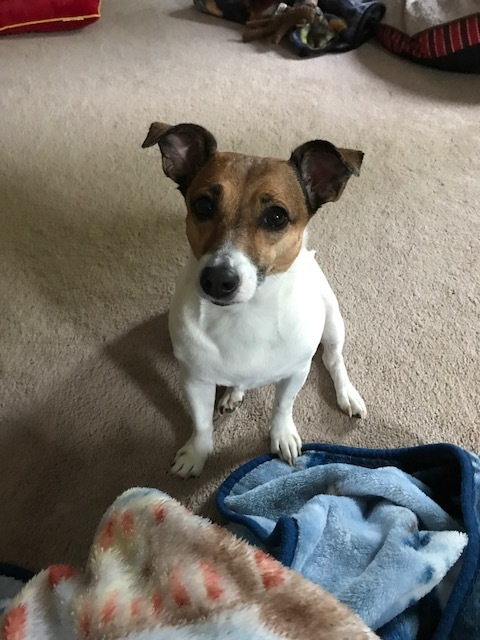
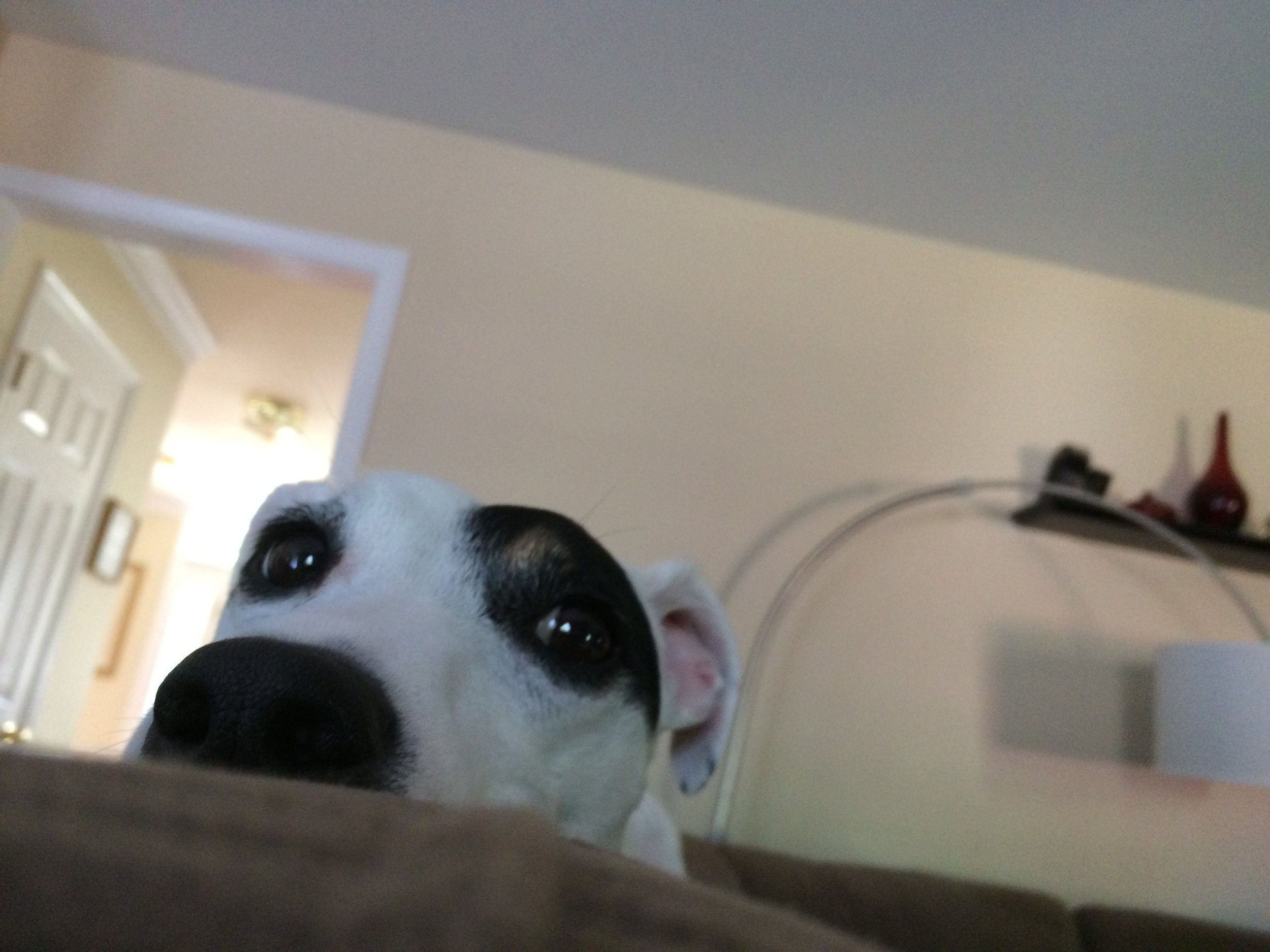
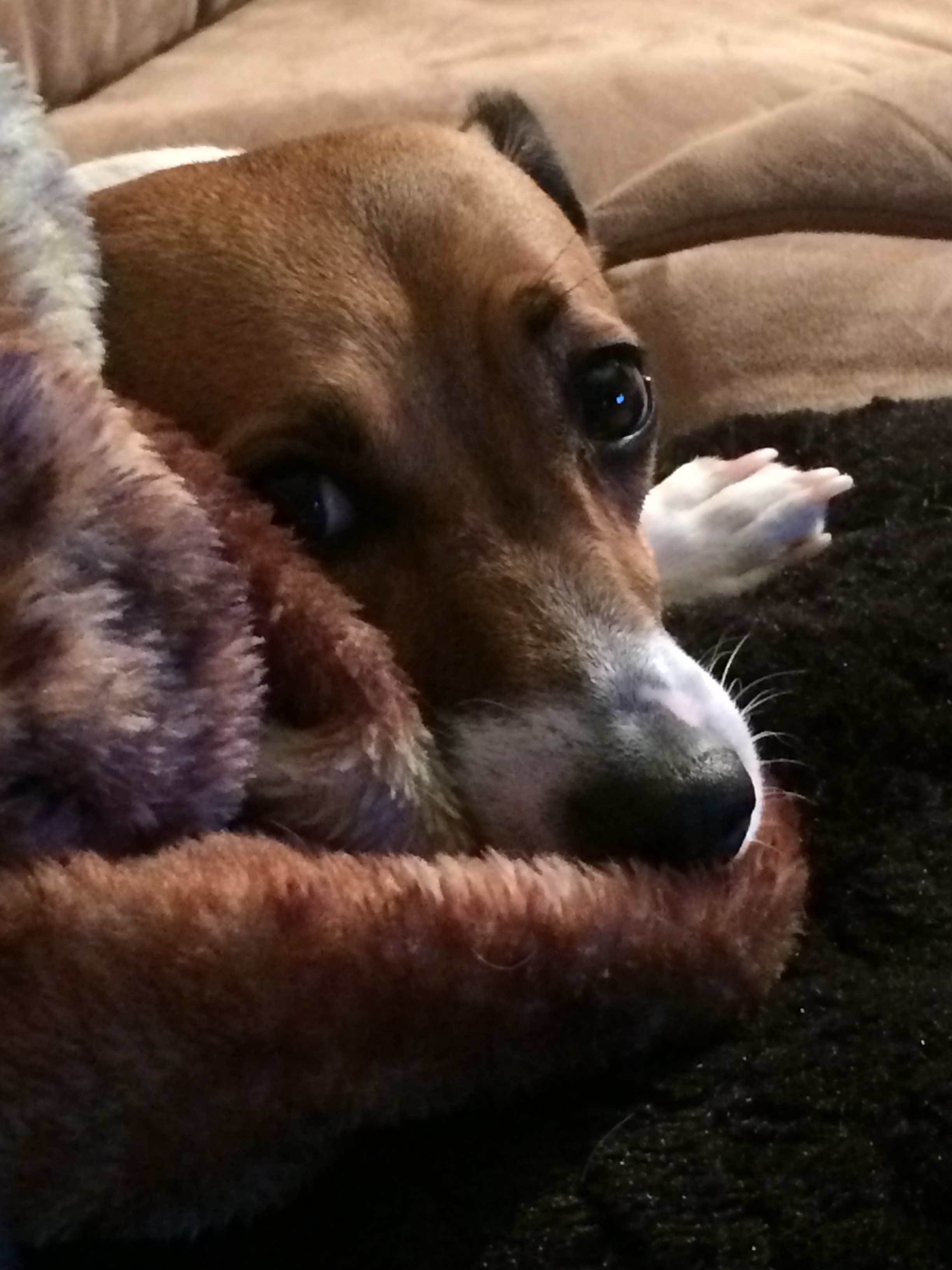
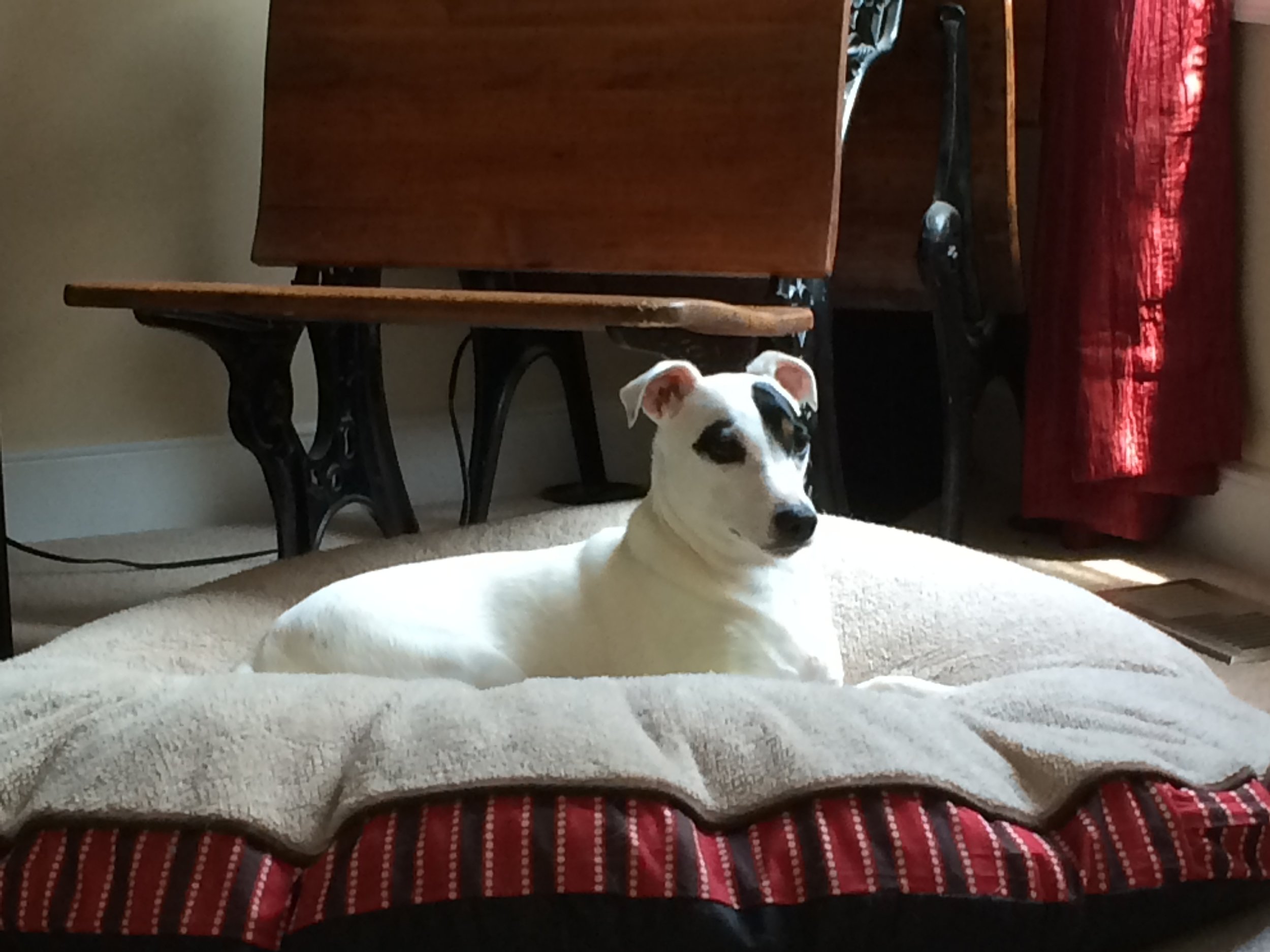
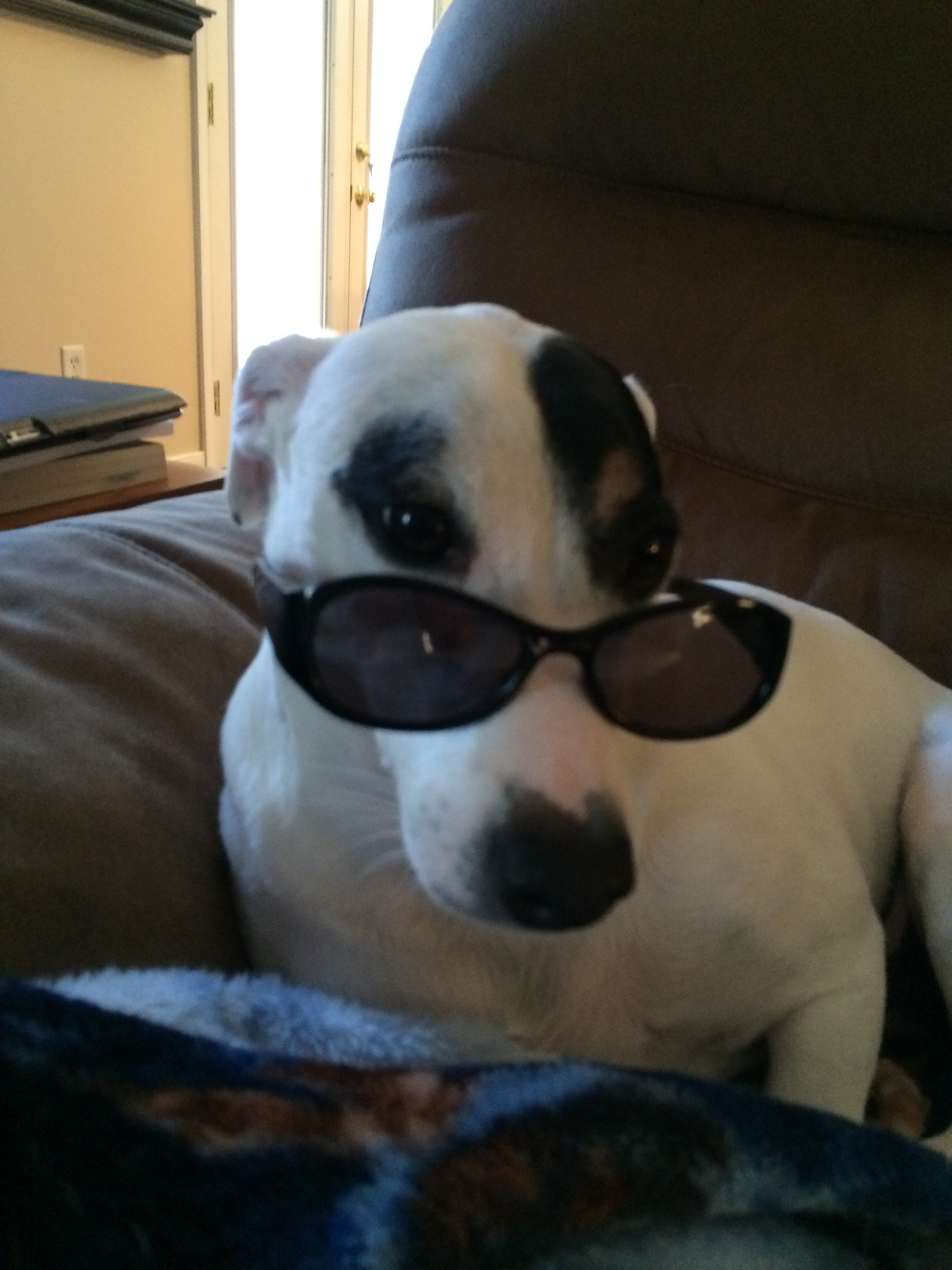
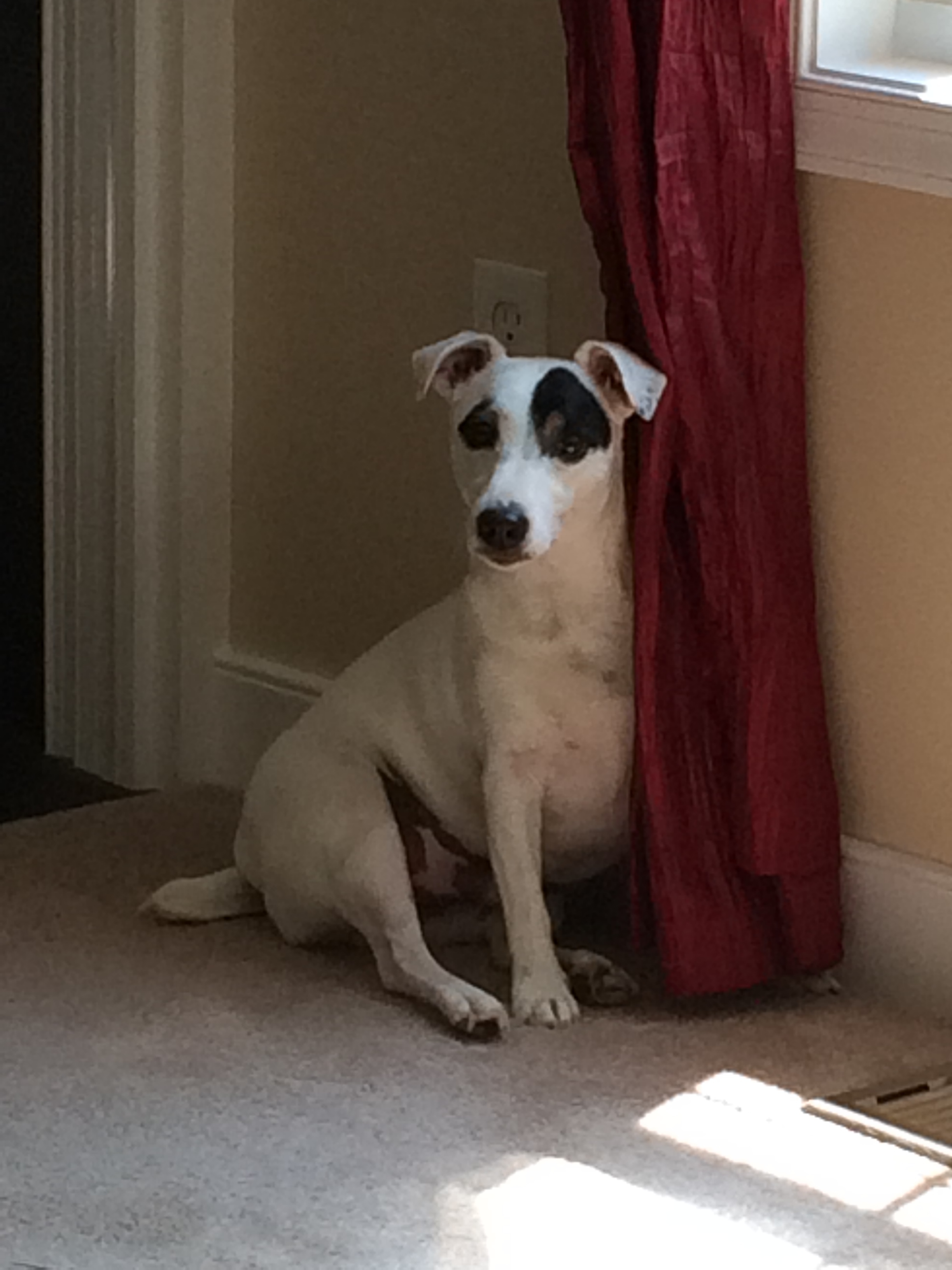
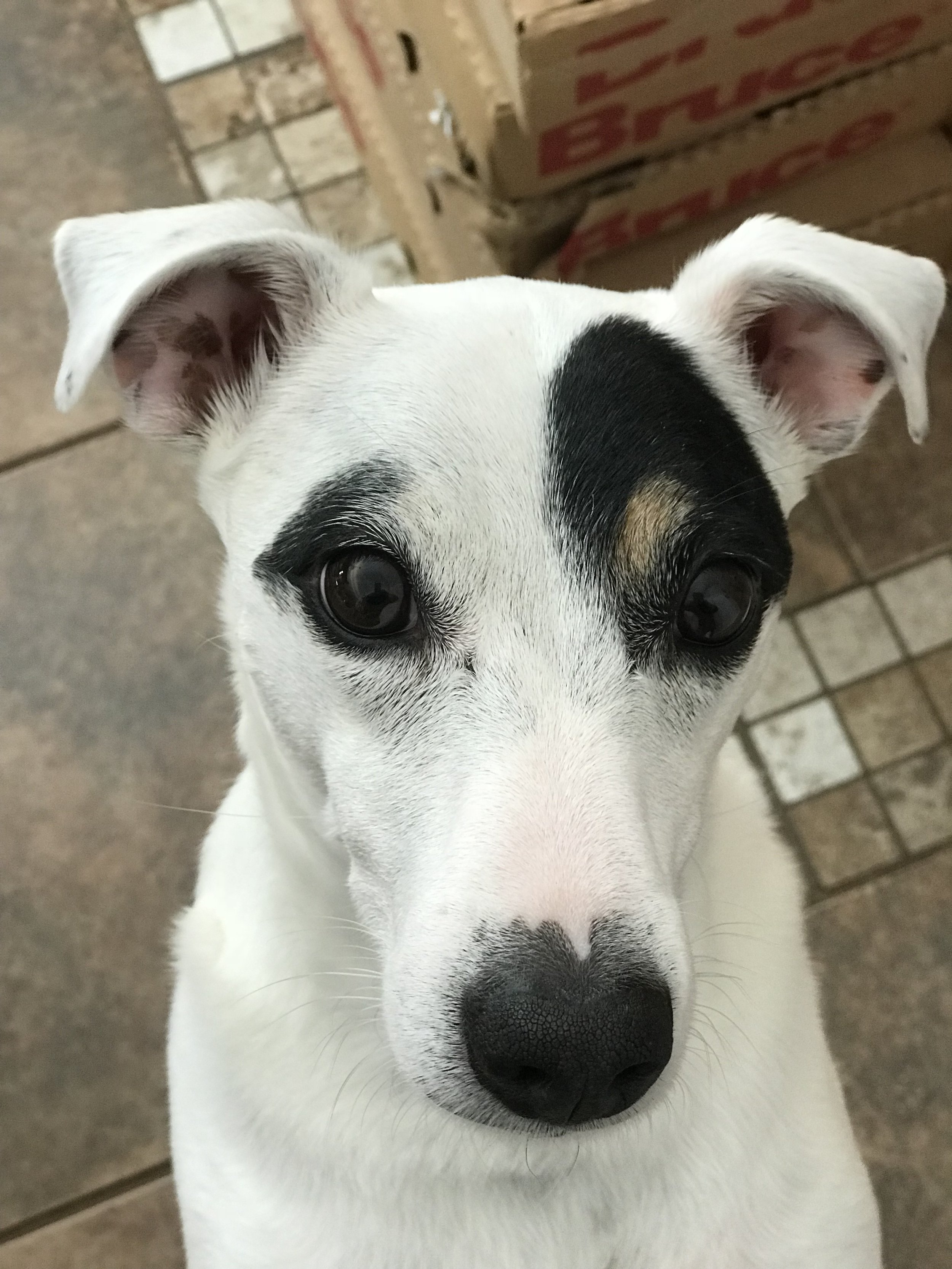
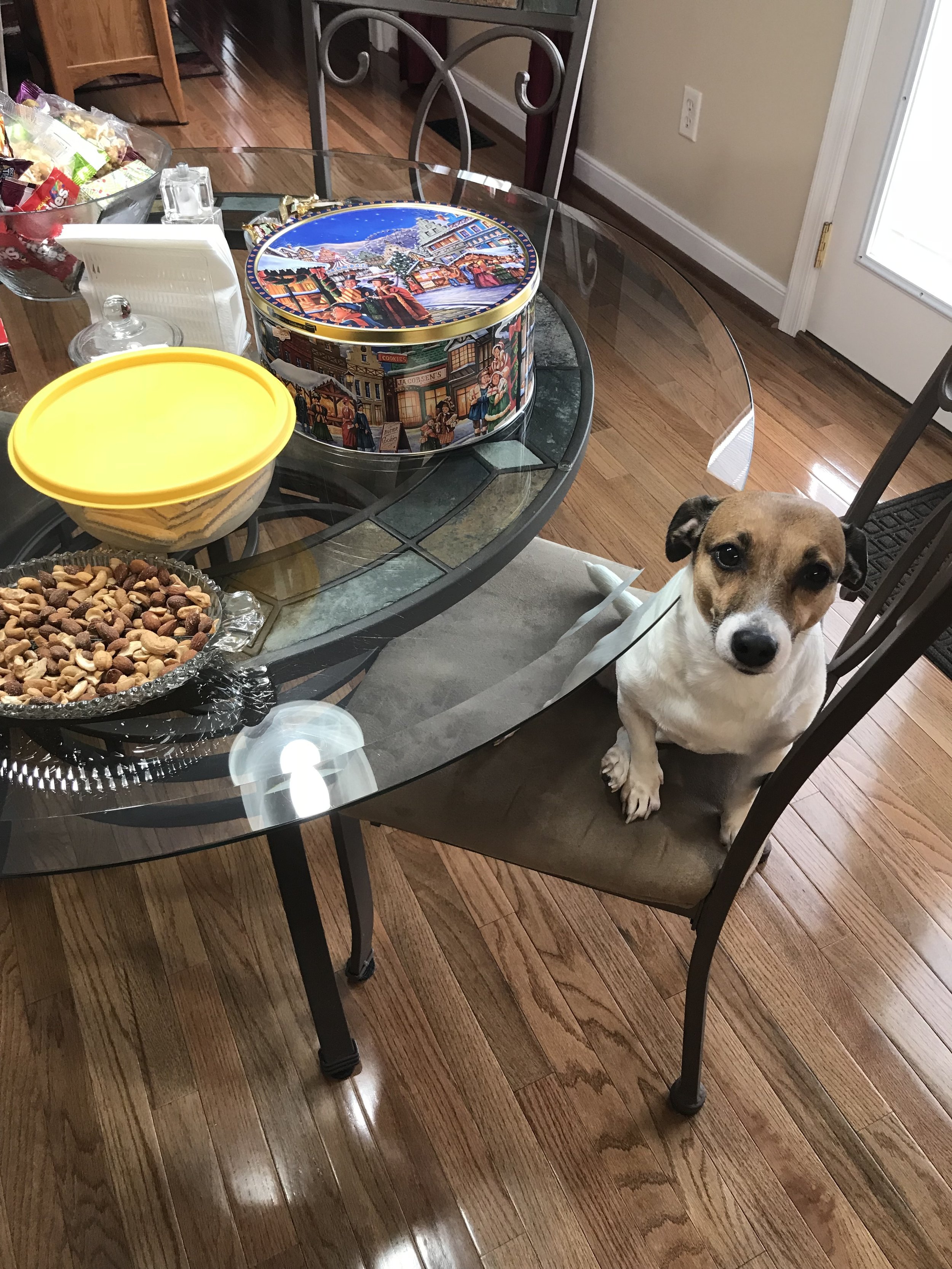
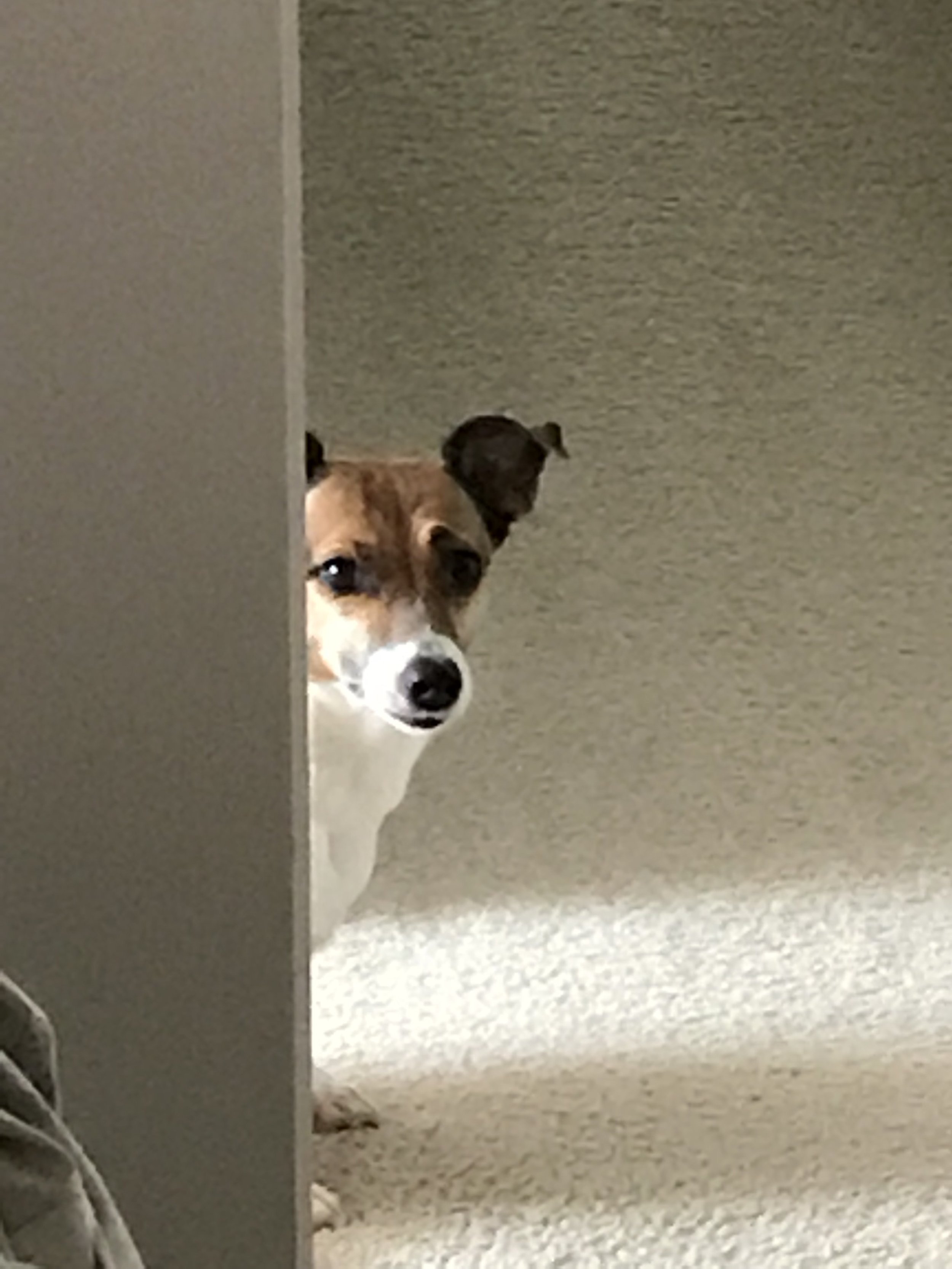
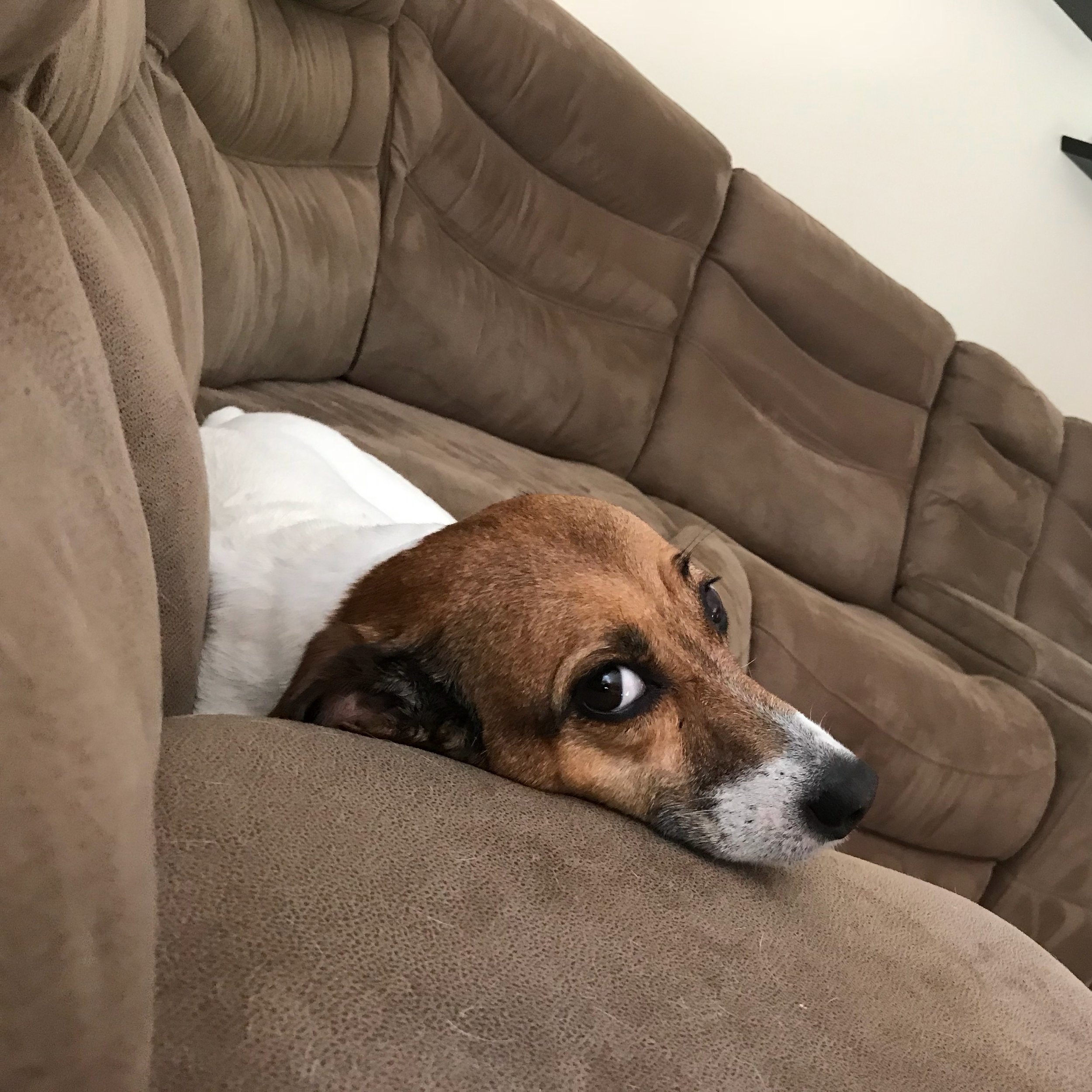
Things that hamper your writing: My puppy laying his head on my laptop while I am writing. He is QUITE the snuggler, and my new laptop has a touch screen that is sensitive to dog noses and I’ve found stuff deleted.

S Parrott 9.jpg

Things you love about writing: Plotting!  I love to noodle up a good plot!

Things you hate about writing: The additional 62,000 words needed to flesh out the plot and turn in into a story! 

 Favorite music or song: Carolina Shag music!

Music that drives you crazy: Rap. I can’t understand the words and it always sounds so angry to me. Not relaxing.

 Favorite beverage: Diet coke and wine (not together of course!)
Something that gives you a sour face: Bad milk. (you’d think at my age I’d know better than to smell it after it’s expiration date!)

 Favorite smell: Coq au vin simmering in the oven. Mmm-mmm. Now that’s good eating!
Something that makes you hold your nose: The smell of fish at the fish counter at my grocery store. It literally makes me gag.

 Something you’re really good at: Few people know that I took 12 years of piano lessons. ā€œMoon Riverā€ is my favorite song to play. It was my mother’s favorite song.  
Something you’re really bad at: Anything athletic.

The last thing you ordered online: Large, thin crust mushroom, chicken, red onion and spinach pizza from Pizza Hut.

The last thing you regret buying: This thing for my dog that is supposed to control barking by squirting citronella oil in his face when he barks too much. I haven’t even opened the package.

 Things you always put in your books: Food and drink.
Things you never put in your books: Putting dogs (or any animal) in danger! I do love it when they burst on stage and save the day, though!

 Things to say to an author: ā€œI didn’t want the book to end!ā€
Things to say to an author if you want to be fictionally killed off in their next book: ā€œYou missed a quotation mark on the second sentence of the third paragraph on page 79.ā€ (Trust me, I didn’t do that on purpose!  Stuff happens during the editing process. I hate it when it does, but it’s a reality of being a published author.)

 Favorite places you’ve been: Perhaps I have romanticized the small town I grew up in, but I love going back to my hometown of Chagrin Falls, Ohio.
Places you never want to go to again: A rock concert. Too many people. Too expensive. Too loud. And WAAAYYY past my bedtime.

 The coolest person you’ve ever met: Sue Grafton. It was the happiest Happy Hour of my life!

The celebrity who didn’t look like he/she did in pictures/video: Jessica Fletcher, the author of the Murder, She Wrote series, mostly because the author was really a ghost writer by the name of Donald Bain. (He also was the ghost writer for Margret Truman’s Capitol Crime series. He doesn’t look like her, either! 😊 )
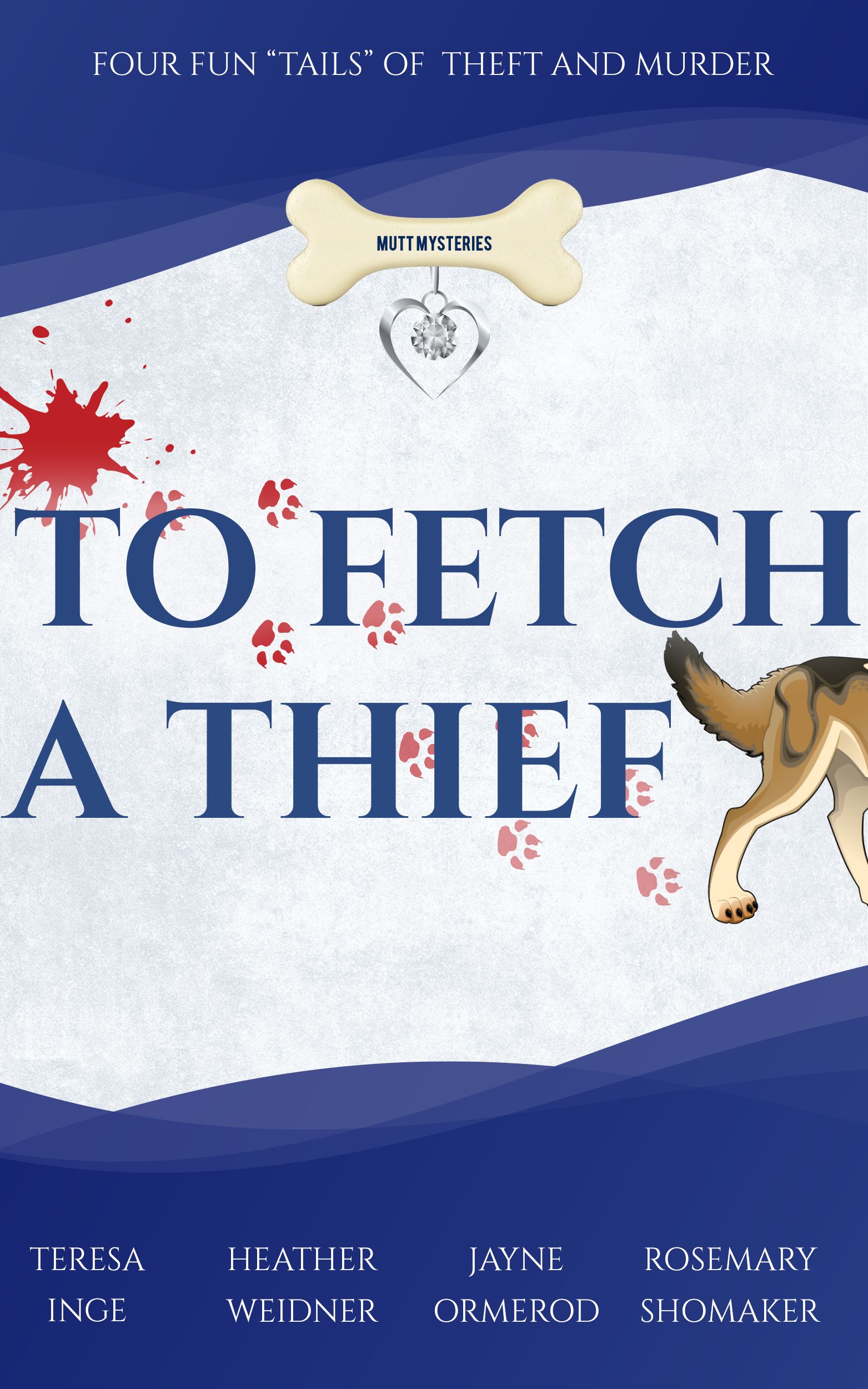
About Jayne: Jayne Ormerod grew up in a small Ohio town then went on to a small-town Ohio college. Upon earning her degree in accountancy, she became a CIA (that’s not a sexy spy thing, but a Certified Internal Auditor.) She married a naval officer and off they sailed to see the world. After nineteen moves, they, along with their two rescue dogs Tiller and Scout, have settled into a cozy cottage by the sea. Jayne is the author of the Blonds at the Beach Mysteries, The Blond Leading the Blond, and Blond Luck, as well as a dozen other short stories and novellas. Her most recent releases are Goin’ Coastal and "It's a Dog Gone Shame!" in To Fetch a Thief.

Let’s Be Social:

Website

Blog

Facebook

What Did You Do for Your Writing Journey This Week?

road.png

We moved in May, so we’ve been doing a lot of unpacking, rearranging, and house projects lately. (That seems to be all that we do lately.) My work life is in software testing and IT governance. I’m a list maker, and I like to see milestones and progress in all kinds of projects, including my writing. Sometimes, it feels like little or no forward motion has been made. I was thinking about it last week, so I decided to make a list to see what I had actually been working on.

  1. Sent the next Mutt Mystery novella to the last beta reader in the collection.

  2. Edited a short story for a future anthology submission.

  3. Took Tiffany Yates Martin’s ā€œThe Biggest Mistakes Writers Makeā€ webinar.

  4. Added a new feature to the blog that will start July 17. It’s called #ThisorThatThursday. It will be a fun way to showcase some really cool authors. (I sent them a list of pairs of things, and they have to tell us about each one. Check it out next week.)

  5. Sent my cozy WIP to a fabulous editor and beta reader.

  6. Am editing my third Delanie novel in hopes of sending that to the editor next week.

  7. Read the first 50 pages of a friend’s manuscript and sent comments. I’m excited about her progress on her novel!

  8. Learned how to use Hootsuite to schedule Instagram and Facebook posts.

  9. Added new folks to my street team and newsletter lists.

So even though I didn’t write 4,000 words a day, I did make some progress this week. What would you add to your list? And if you find yourself off track (or just enjoying the summer), don’t beat yourself up. Figure out a plan and start.

#ThisorThatThursday Logo.png

Feedback - Gift? or Something Else?

feedback.png

Through the years at work, we’ve done dozens of 360-degree evaluations and feedback surveys. When I taught, the college did professor reviews at the end of each semester. I used to get butterflies (or bats) in my stomach before I had to read them. (One student didn’t like my red shoes.)

One of our HR folks once said that feedback wasn’t something to dread — but a gift. I valued the comments more when I thought about them in those terms.

It’s hard as a writer to hand over your work. You know the one that you sweated over, nurtured, and loved for months or years. You created it, and it’s part of you. And someone is going to call your baby ugly or poke holes in your plot.

I think beta readers and critique groups are invaluable. You want to catch errors (preferably while you can still change them). You also want to catch story problems before an agent, editor, or publisher sees it and rejects your submission.

I tend to make boo boos when I’m making edits. I try to be super careful, but it’s always good to have another set of eyes go through your draft. I’m notorious for leaving off the second quotation mark.

My critique group reads fifty pages from each submitter a month, and sometimes, it’s hard for them to remember scenes, clues, or red herrings after several months pass. I always find a beta reader or two to read the entire draft like a reader. Family members are great, but they often don’t give you the nitty gritty feedback that you need.

It took me a while to get used to critique group. All of the feedback and suggestions were overwhelming at first. Sometimes, I’d get notes and suggestions from nine different people with nine sets of different ideas. I took notes while they talked about my submission, and then I’d wait a day or two to go through all of it. I print off a copy of the submission and make all the notes on that copy. It’s easier to see contradictions in the suggestions. And just because someone suggested something, doesn’t mean you have to change it.

When you look for a critique group or beta readers, make sure they are made up of people who are familiar with your genre or subgenre. They will know the conventions and preferences of the readers. You can get value from readers of other genres, but you have to be careful. Most of their feedback is centered around what they know, and conventions for a cozy mystery aren’t the same for a romance novel or a spy thriller.

A good critique or beta reader will point out typos, plot holes, confusing items, and inconsistencies like a name that didn’t get changed in all instances or the fact that your character ate lunch twice in one chapter.

I have certain phrases or words that I tend to overuse. I make a list, and I search for them when I’m editing. But readers are great for circling over-used words. Somethings are spotted better by others who aren’t as close to your manuscript.

Writing is hard work. You’re putting your creation out there, and you don’t know how readers will react. I love my early readers and value their comments and ideas. And they help me deliver a better book.

What Books Influenced You?

I acquired my first library card when I was four, and I knew that this was something. I had the power to choose books and take them home to read. My grandmother always said that books were your friends. I have a lot of friends. Just ask the movers. The majority of the boxes from the last move were filled with books. I was thinking about all the books that have influenced me as a person and a writer over the years, and I started making a list on one of my long commutes. Here’s what I’ve come up with so far…

Childhood

  • Bible Stories

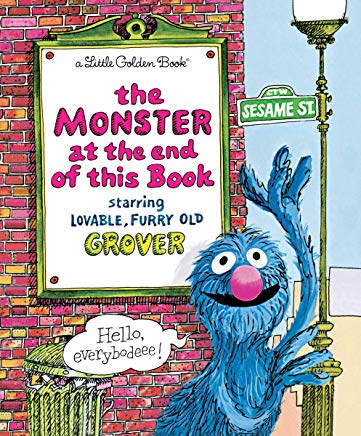
  • The Monster at the End of the Book (Grover is still my favorite Muppet.)

  • Green Eggs and Ham (I checked this out of the Woodstock Elementary Library as often as I could.)

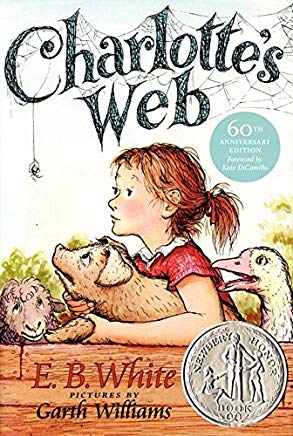
  • Charlotte’s Web

  • The Biography of Walt Disney

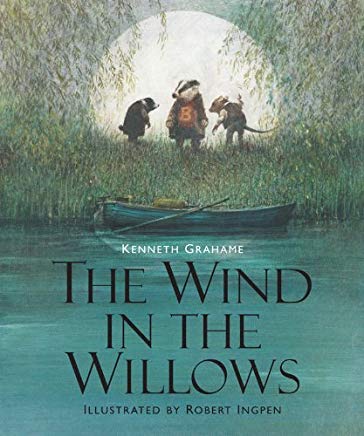
  • The Wind in the Willows

Elementary/Middle School

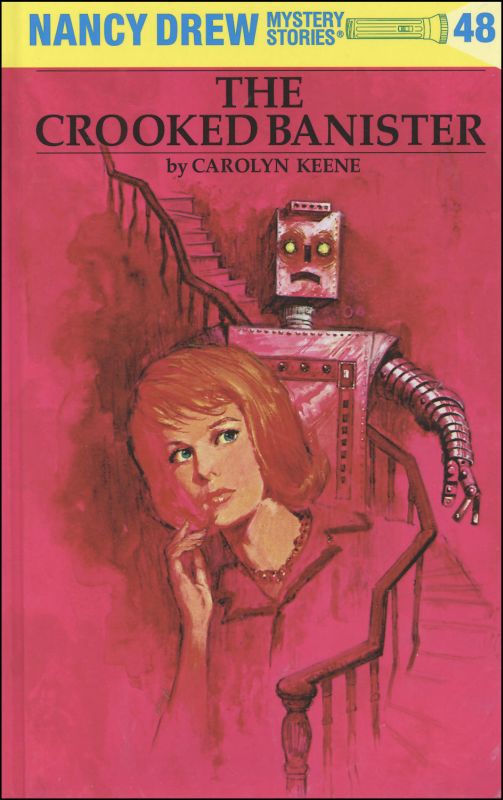
  • The Crooked Banister (and all the other Nancy Drew books)

  • The Hardy Boys series

  • Agatha Christie’s books

  • The One-Minute Mysteries (There’s definitely a pattern here.)

  • Stories by O’Henry

  • Alfred Hitchcock Mysteries

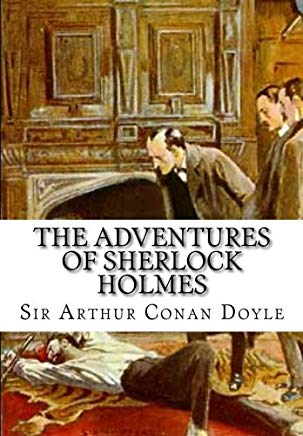
  • The Adventures of Sherlock Holmes

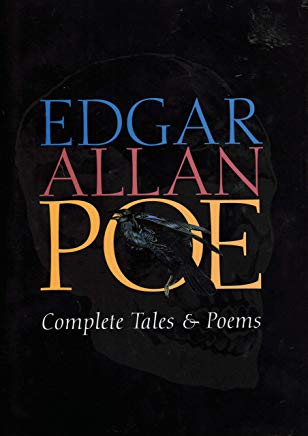
  • Anything by Edgar Allan Poe

I started reading scary or woo woo stories in middle school. I read Jaws one summer and avoided the beach. Then I checked out The Amityville Horror from the library and started it. I woke up in the middle of the night, and the cover was glowing. I threw it out in the hall and promptly returned it to the library. (I think the light was bouncing off the foiled cover, but I wasn’t taking any chances. I still don’t know how it ends.)

High School/College/Grad School

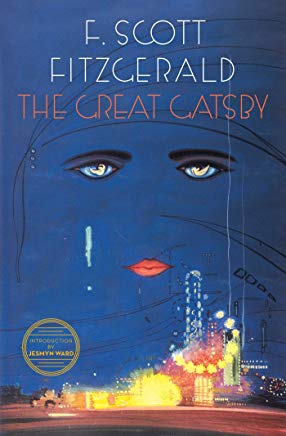
  • The Great Gatsby

  • The Sun Also Rises

  • To Kill a Mockingbird

  • Animal Farm

  • Hamlet

  • Gulliver’s Travels

  • The Great Gatsby

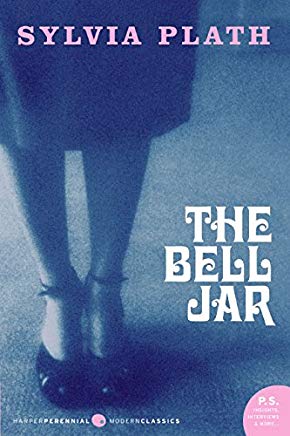
  • The Bell Jar

  • Pride and Prejudice

  • Jane Eyre

  • Wuthering Heights

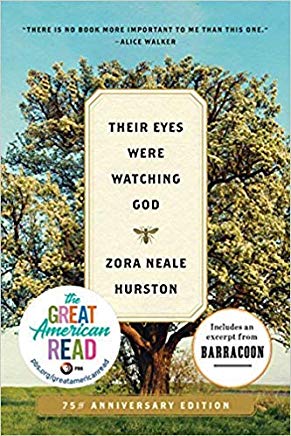
  • Their Eyes Were Watching God

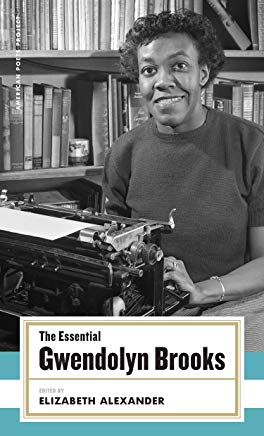
  • Poetry by Emily Dickinson, Robert Frost, and Gwendolyn Brooks

  • The Scarlet Letter

  • The Call of the Wild

  • Oliver Twist

  • Moby Dick

  • Harry Potter and the Sorcerer’s Stone

I have a BA and an MA in American literature. (I got to go to school to read books. The perfect setup.) The best class I ever took was Dr. Magnuson’s ā€œDetective Fiction.ā€ He introduced us to the literary conventions, the genre, and a variety of authors. And that’s where I fell in love with hard boiled, detective novels.

I also took children’s literature as an undergrad, and it was fun to see how things had changed since I was in that demographic. By then, Nancy Drew had undergone a makeover, and she now drove a Mustang and dated boys other than Ned Nickerson. YA was just starting to evolve then, and it has exploded over the years.

What’s your favorite genre? What’s on your list?

Writing (and Life) Advice from the Fuzzy Muses

wag.png

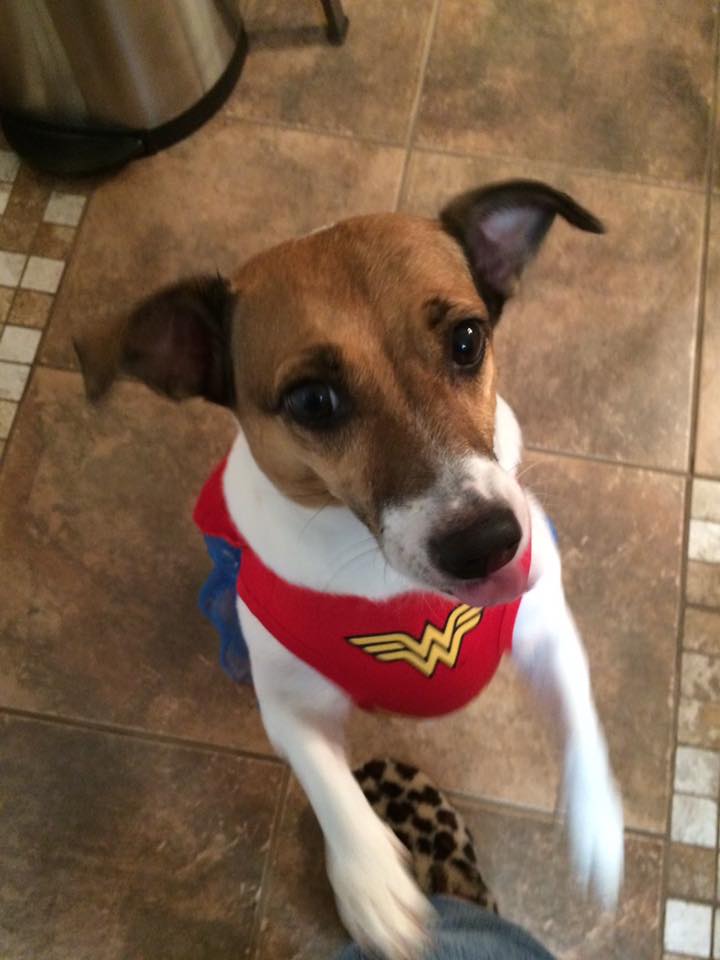
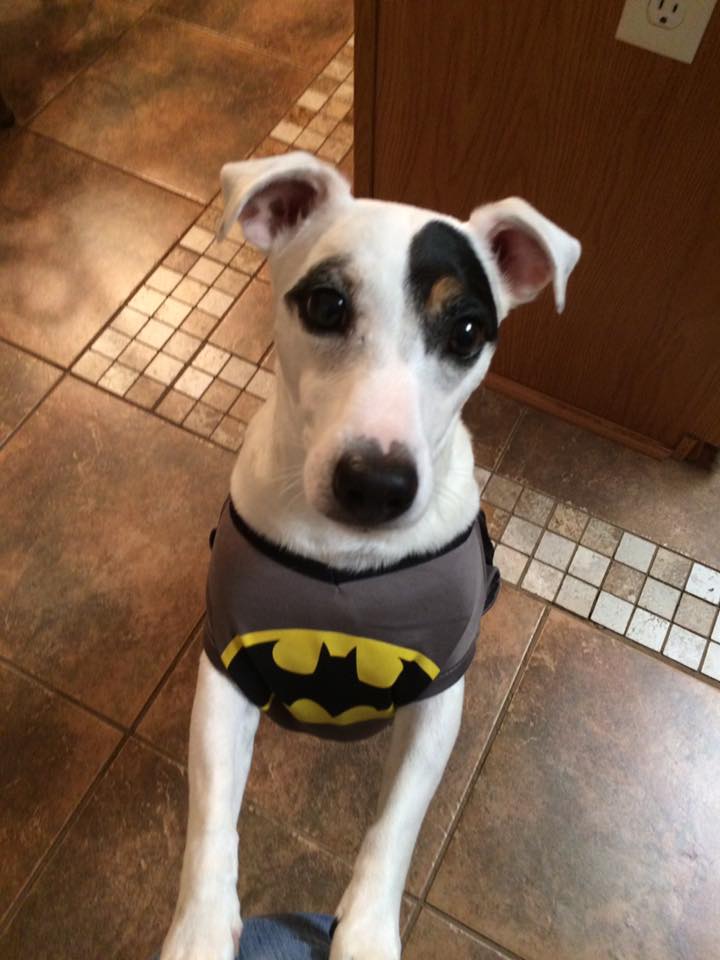
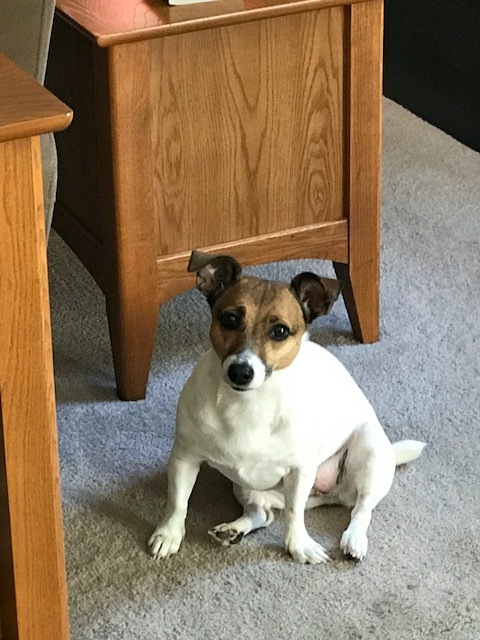
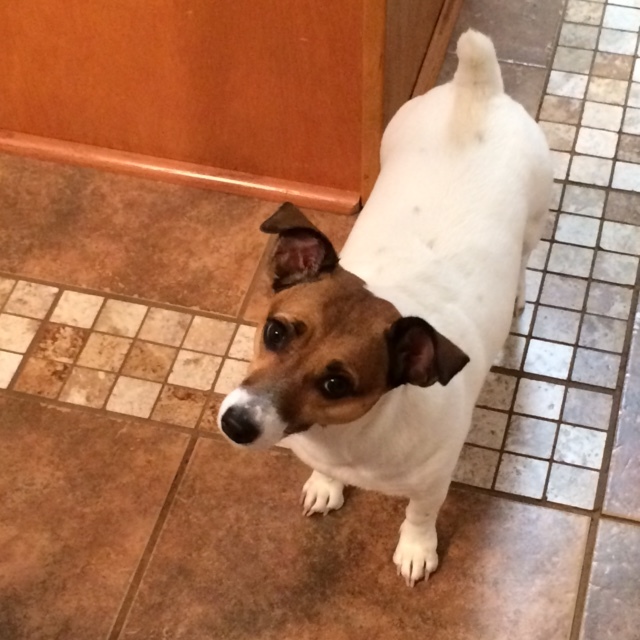
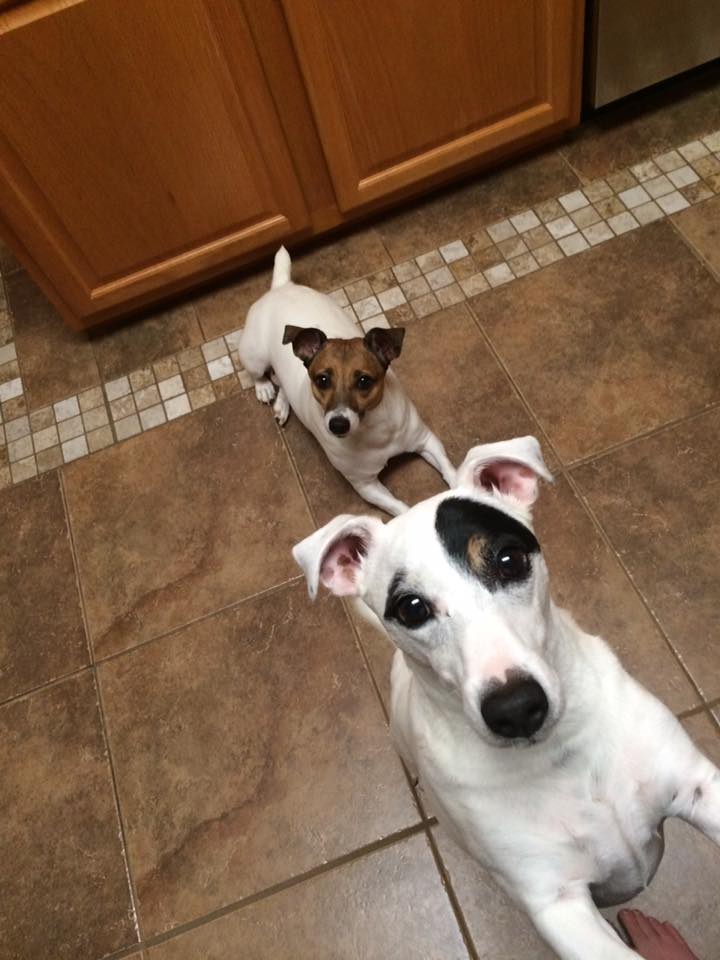
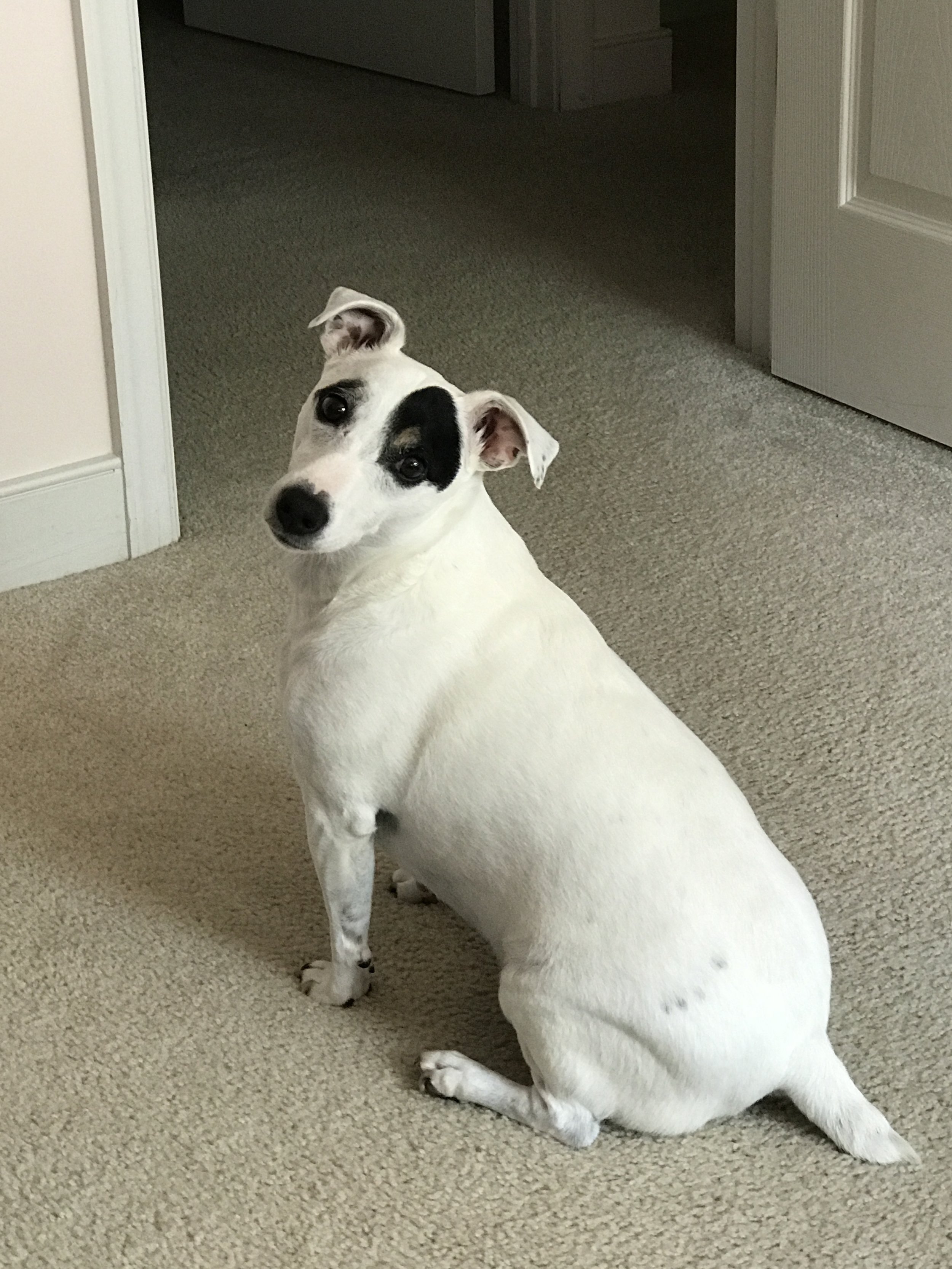
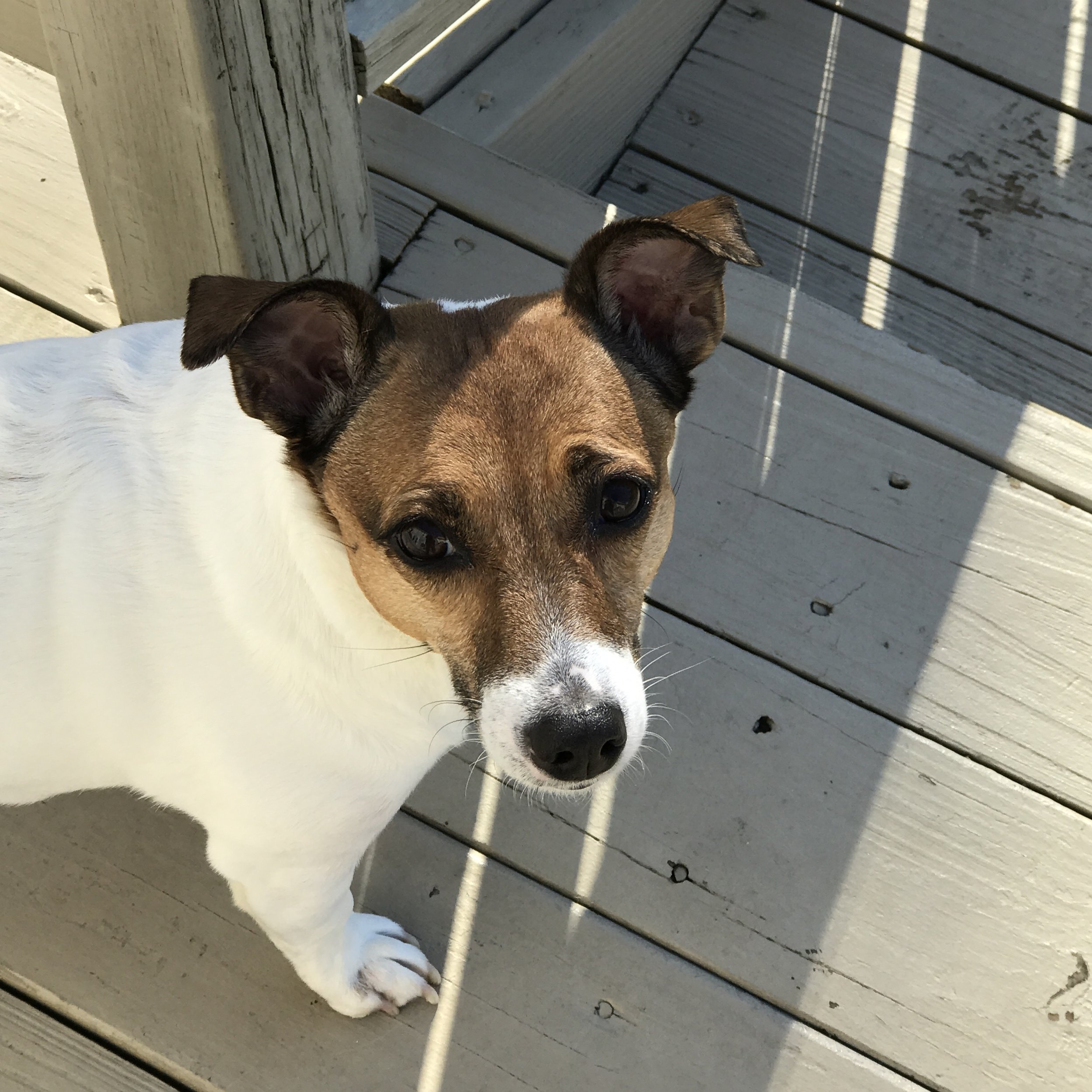
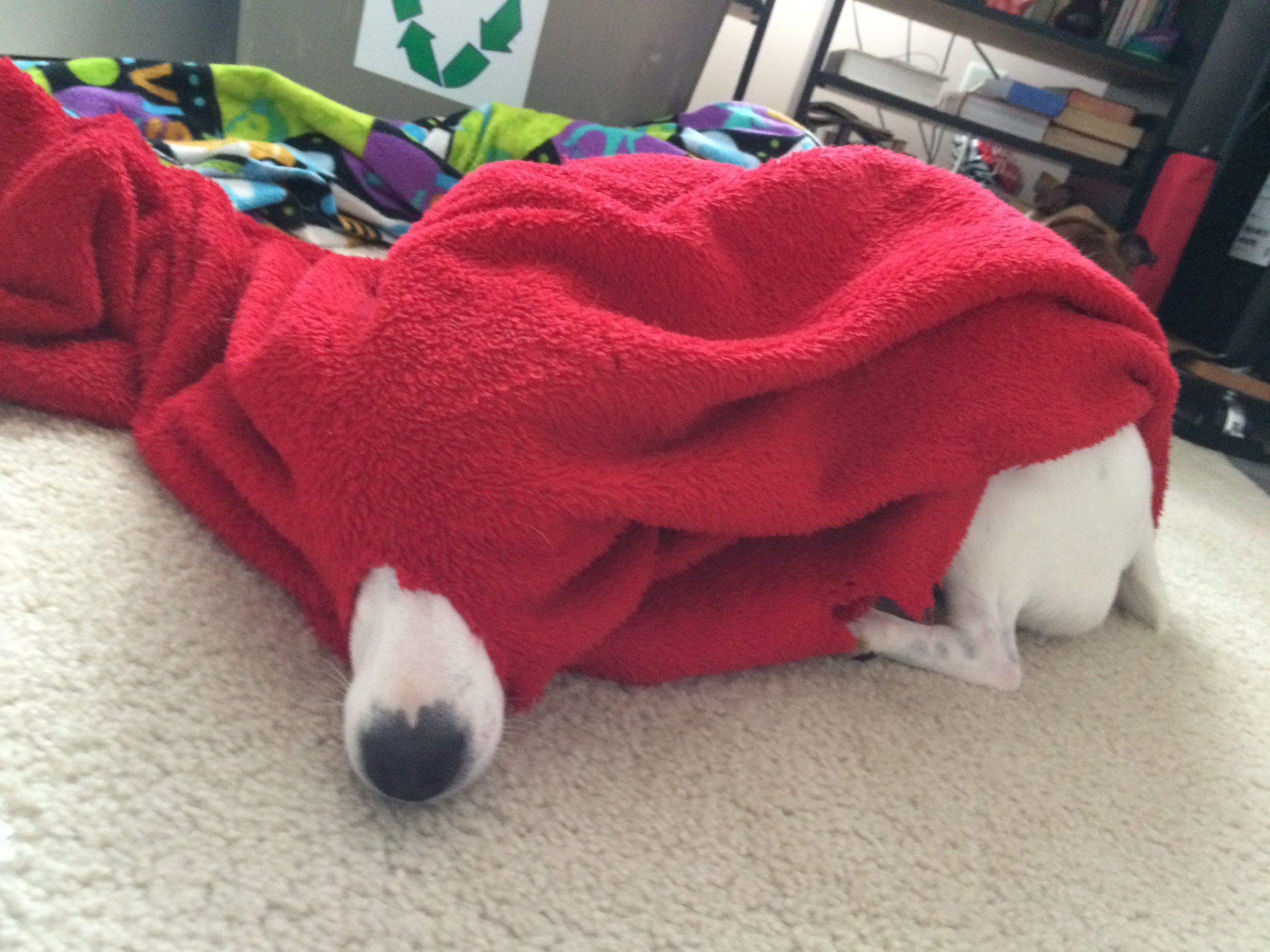
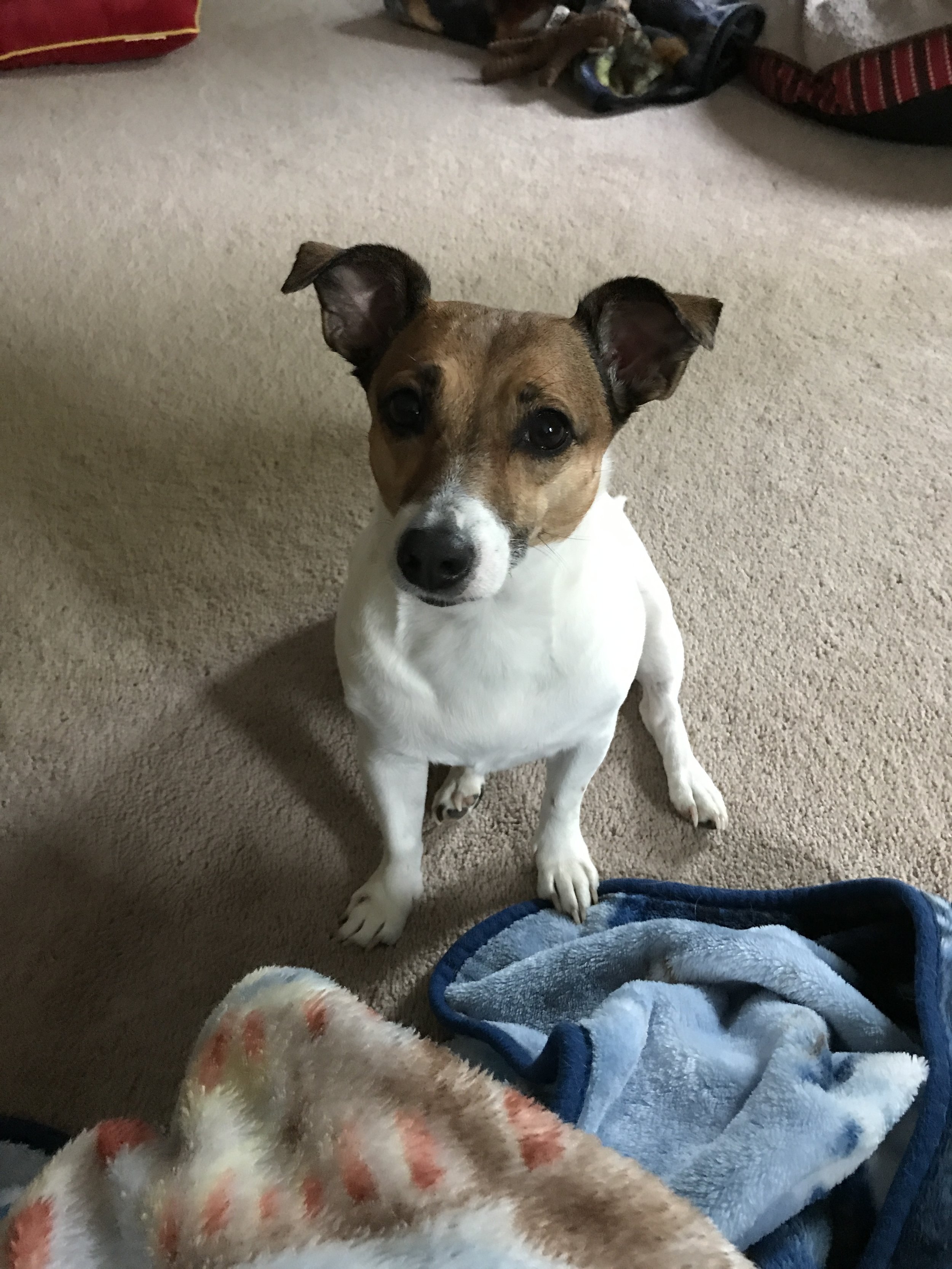
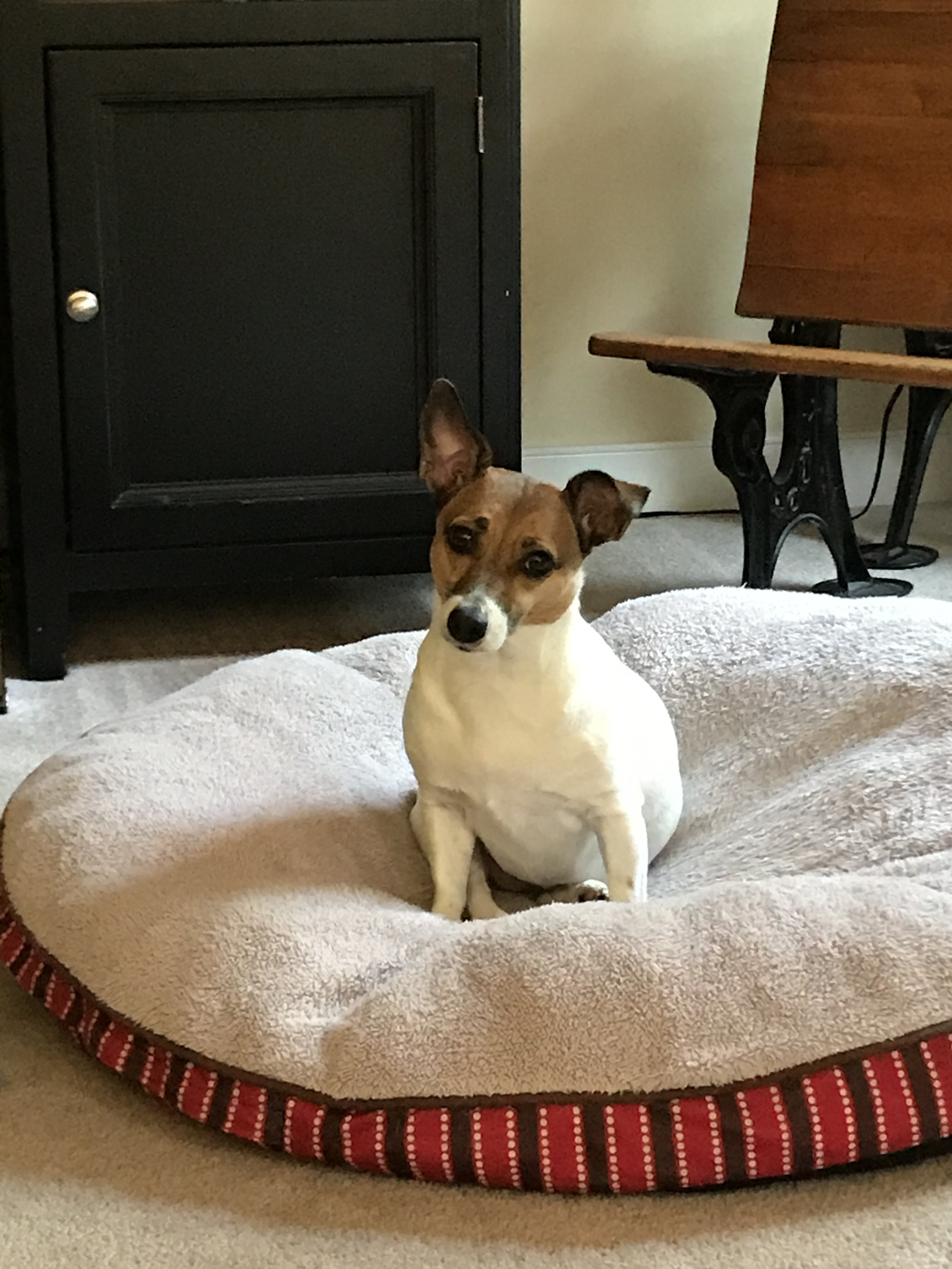
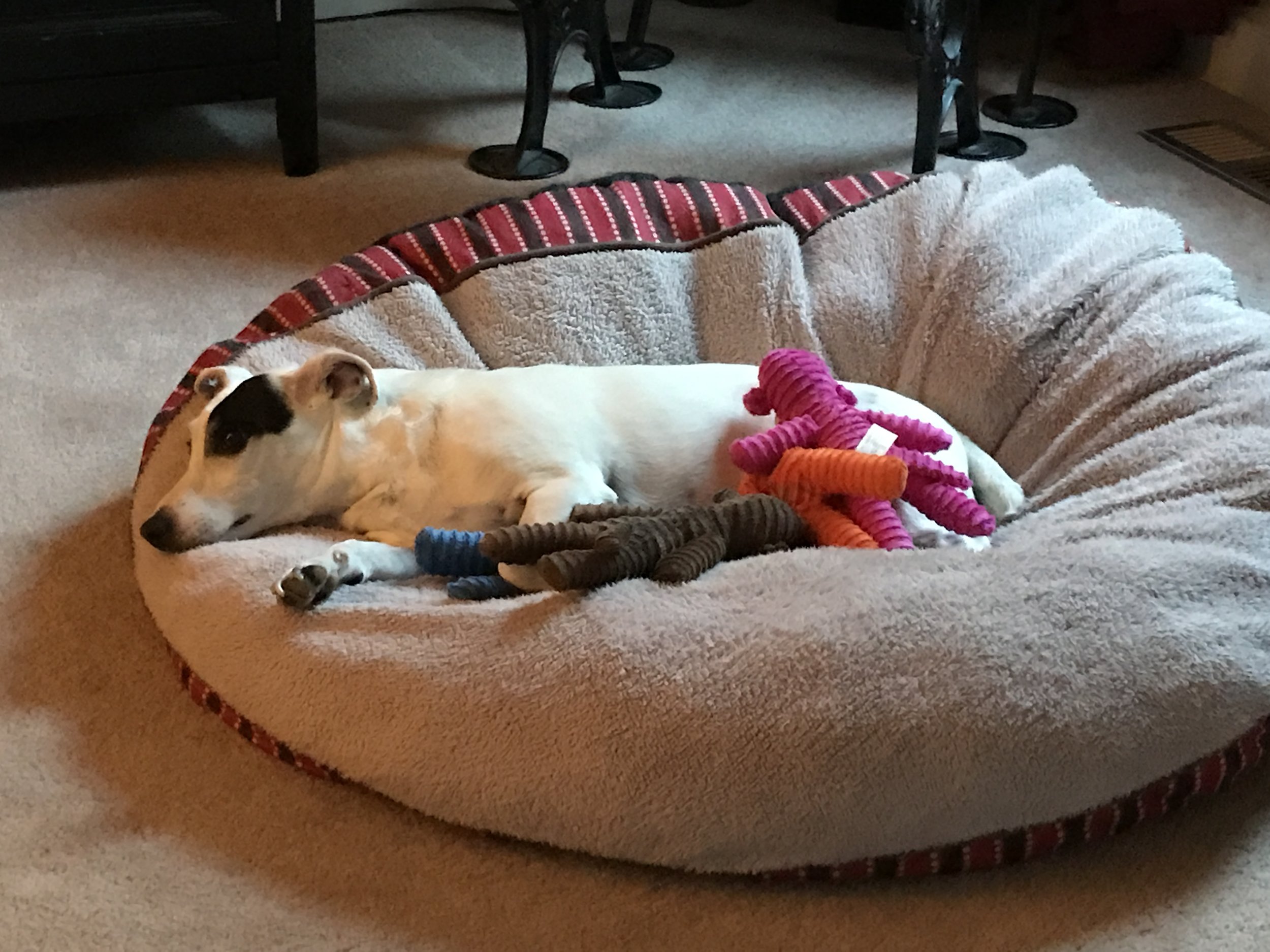
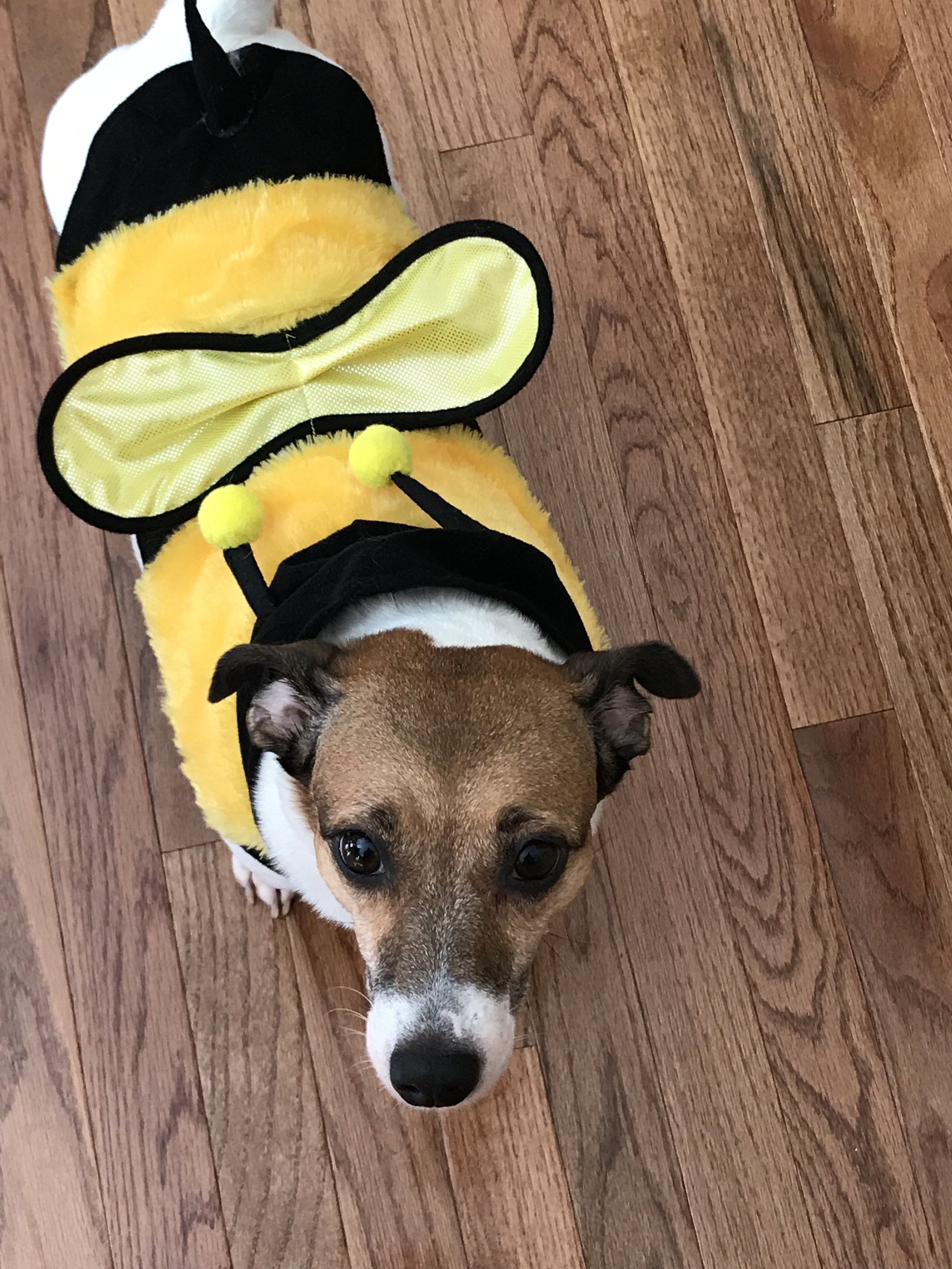
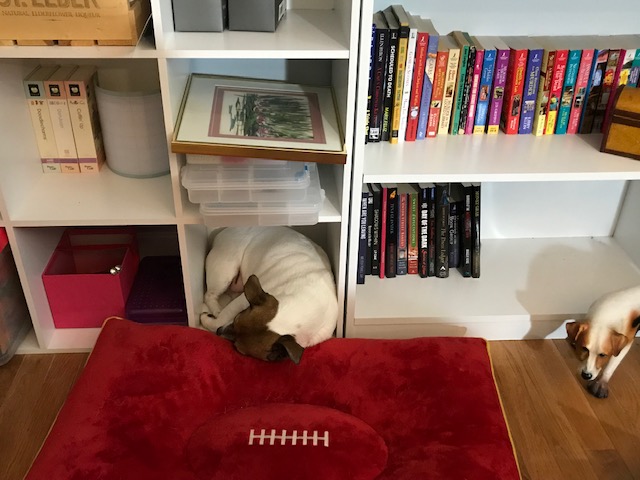
My two crazy Jack Russell Terriers (Terrors) are great companions and guard dogs. They protect us from countless squirrels, birds, and joggers. Each has a bed in my office, and they help me plot mysteries and listen while I talk through dialogue (if they’re not napping).

Here are some things I’ve learned from them.

1.    Enjoy what you do. If not, find something else to spend your time on. There are way too many interesting things to see, eat, sniff, or bark at.

2.    Don’t waste a beautiful day inside. Go outside and have some fun.

3.    Wag and make friends. Relationships are important.

4.    Don’t sit at your desk too long. Everybody needs a break.

5.    Just go for it. If you want something, grab it. They don’t waste time over-analyzing things.

6.    Bark if you really need to, but not too much.

7.    Make sure you nap when you need to. You need to recharge.

8.    Live in the moment. Don’t stress about what has happened or what might happen.

9.    Play hard. Life shouldn’t be all work. EVERYTHING is a game to a Jack Russell.

How to Have a Successful Facebook Party

Facebook parties are good ways to create some buzz around your book, especially a launch or a milestone celebration. Here are some things I’ve learned over the years.

  1. When you create one, you need to decide where to host it — on your author page or your event page. I’ve done both. For mine, I tend to have them on my author page.

  2. Recruit author friends to help you. Each one should offer a discussion question and some sort of prize. I’ve noticed that things (e.g. bookmarks, gift cards, etc.) are more popular that ebook give-aways.

  3. Make it clear with your guest authors about what they should (shouldn’t do). Authors love to promote their own books, blogs, and newsletters. I always say feel free to do this. It helps everyone when we gain new readers, but some folks just like to focus on the subject of the party. Make it clear up front.

  4. If you’re going to mail a prize, make sure it can be packaged easily and specify up front where you’ll mail to. Overseas shipping can be pricey. Tina Glasneck gave me good advice — Make sure your prize fits in a standard envelope.

  5. Set up a schedule for all the participants at your party. Every 15 or 30 minutes is about right. We’ve done them for longer periods, and it’s tiring for those logged on for a 2- or 3-hour party. I like the ones where the authors chat with guests, so the 15-minute timeslots are good.

  6. You should set up an events page with instructions and the link to your party. This is a great way to invite friends to your event.

  7. Make sure that all of your author friends have access to post on the page where you’re having the party. (Settings and Page Roles). Don’t way until the event to do this.

  8. Make sure you introduce yourself and your books in your post.

  9. Make sure you review Facebook’s Terms and Conditions on give-aways and requirements. These change occasionally, and you want to make sure you’re compliant.

  10. Create memes and announcements for your event — advertising the authors who are your guests. Tag each of the authors and ask them to share with their readers.

  11. Specify the time, time zone, and date of the party in your announcements. Also make it clear when winners will be selected/notified.

  12. Encourage your author friends to hang around and chat after their timeslot. It' makes it more interesting when there are a lot of comments/dialogue.

Facebook parties can be a fun way to hang out with readers.

Logotiny.png

Need Something? Make It Easy...

easy.png

My boss at my day situation loves his ā€œEasyā€ button. There’s something to that. People are bombarded with things, and life is crazy. Recently, I was on a team reading and ranking submissions that were applications to do something for us. Some were a joy to read; all the information was organized and ordered. But there were others that we really had to dig to find the information or the proposal was incomplete.

I heard the fabulous Jane Friedman talk about this. If you want someone to help you with a writing or marketing task, make it easy for them. She’s right. Always provide the person with context and enough information to complete the task.

Blurbs - If you’re asking for a blurb, send the person a synopsis of your book and your biography.

References - When you ask for a reference or a nomination, send them a SHORT copy of your biography and other pertinent information.

Time - Give the person as much time as possible. I had a publisher once who sent out book blurb requests with a short deadline. It didn’t give busy people enough time to read enough of the book.

Pay it Forward - Make sure you’re willing to help others too. You can’t always be on the asking end.

Give Them an Off Ramp - Give the person an exit that doesn’t cause hard feelings. Everyone is busy, and your timing may not be right. When you call or write your introductory email request, acknowledge that they’re busy and that you understand if they’re unable to help right now.

By providing enough information and time, usually people are more than wiling to help.

What would you add to my list?

LogoWEB.png

Do You Treat Your Writing as a Business?

writing2.jpg

For many years, my writing was a hobby for me. I did it for fun and without much thought as to what I would do with the end product once it was finished. I had no deadlines, and I could work on projects at my leisure.

When I decided I wanted to a published author, I realized that it was a business and that I needed to treat it that way. That meant being more organized and structured.

Writing Time/Scheduling - I don’t write every day. Life gets in the way some times. But I do try to write or edit regularly, and I track my word count to see progress.

Try to protect your writing time. It’s so easy to get distracted or involved in other activities. I try to honor the time I reserved for writing. And I do make much more progress when I keep to my schedule (and track my word count progress).

The Business Part - Talk with your legal and/or tax advisors to make sure that you’re compliant with the laws, regulations, and rules in your area. Do you need a tax ID number, what can you claim on your taxes, do you need to collect sales tax, and do you need a business license? I now have a new drawer in my office filing cabinet for book-related documents.

If you’re required to keep receipts, work out a system to collect/organize them for your taxes. Some use a file folder and spreadsheet, and others use an app for tracking expenses and deductions. You’ll need to figure out what works with your style and what provides you the right information when you have to file documents.

If you sell books, you’ll need to decide what you’ll accept (e.g. cash, credit card, debit card, check). I accept all, and I use a Square for the credit/debit cards.

I have to track mileage, sales, and expenditures. I do this faithfully after an event to ensure that it’s current. It is too hard to remember or recreate what I did at an event three months ago. Figure out what works best for you (e.g. file folders, spreadsheets, mobile app, accounting software packages, a personal assistant).

Events - I like to go places and talk with readers, so I like to do a lot of events. I tend to attend the ones where I can talk to readers and do presentations (and have books available for sale). I don’t base my decisions on book sales alone. Sometimes, you make contacts or build relationships that could be worth more in the long run than a sale. Networking is an important component of the writing life.

Your time is valuable, so you need to make sure that book marketing and events don’t overwhelm your writing time.

Your Time - Your time is limited and valuable. Figure out what tasks you can do yourself and what others your budget will allow you to outsource.

I like to do my blog, websites, and social media work. In the past, I have hired a line editor and someone to do specialized graphics for me. I know several authors who have hired digital or personal assistants to do administrative tasks. I also have friends who have hired folks to manage their social media accounts and publicists to coordinate marketing campaigns. Figure out what you do best and focus on those items. One of my author friends hired her granddaughter to help her with her social media. She gets the tasks done, and her granddaughter get spending money and work to show on her resume.

Your Investments - You need to decide what you can budget in terms of your time and money for your writing projects. It can be time consuming and costly if you don’t monitor where you’re spending your resources. I track this and compare it to my sales.

Writing is a business. It’s filled with contract, invoices, sales tax, and tax forms. But the writing is fun, and there is no feeling like opening that box of books and seeing your name on the cover. What else have you encountered in the business world of writing?

Happy writing!

LogoWEB.png