ROI Can Mean More Than Book Sales

roi.png

It would really be nice if I could trace all of my author and book activities to book sales. Sometimes, it's very clear that you did a marketing event and had a certain number of sales. But then there are other times that you'll do events and promotions, and it's hard to tell if they had any impact at all. I'd like to suggest that sometimes book marketing can have different types of returns on your investments. I would challenge you as an author to think of your investments of time and money in a broader sense. And here are some examples...

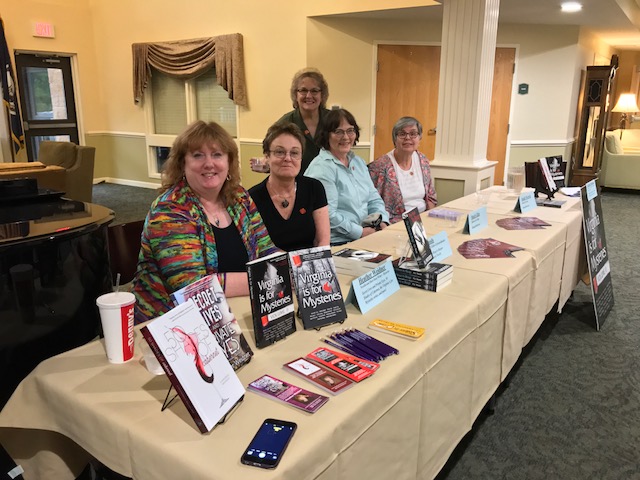
1. I have attended book events where I didn't sell many books, but I made contacts that led to other collaborations, interviews, or paid speaking engagements.

2. Networking is key for writers, and there is value in participating in events where you get to talk to readers and other writers. And if feels good to know that you're not alone in your writing journey.

3. I give everyone I talk to a bookmark or whatever promotional give-away I have (e.g. pens, pencils, etc.). I have seen my ebook sales spike after events. I may not have sold a book when I talked to them face to face, but they bought one later in a format they prefer.

4. I attend library events and speak to school groups to support libraries, teachers, readers, and future writers. I know that at a lot of these events I won't sell books. But sometimes, I'm surprised. I spoke to a high school group once about mysteries, and many of the students brought their copies of the book for me to sign. 

5. The time I spend on social media doesn't transfer to book sales. But I do meet people, share ideas, and build relationships. Your activity on your social media sites also helps with where you appear in search engine results. The more active you and your sites are; the more you appear at the top of searches.

Your time and money are valuable. And it's important to balance your writing life with the other things you have going on. But I challenge you to look for other benefits as you plan your event calendar and your marketing promotions. If you plan everything in terms of how many books you'll sell, you may miss out on some other benefits.

Logotiny.png

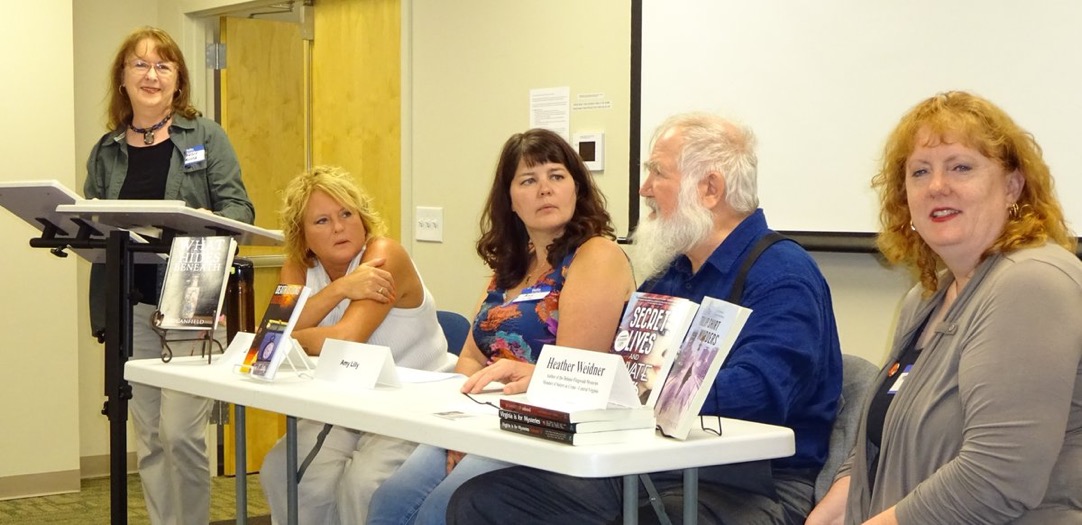
Moderating a Panel 101

IMG_1339.JPG

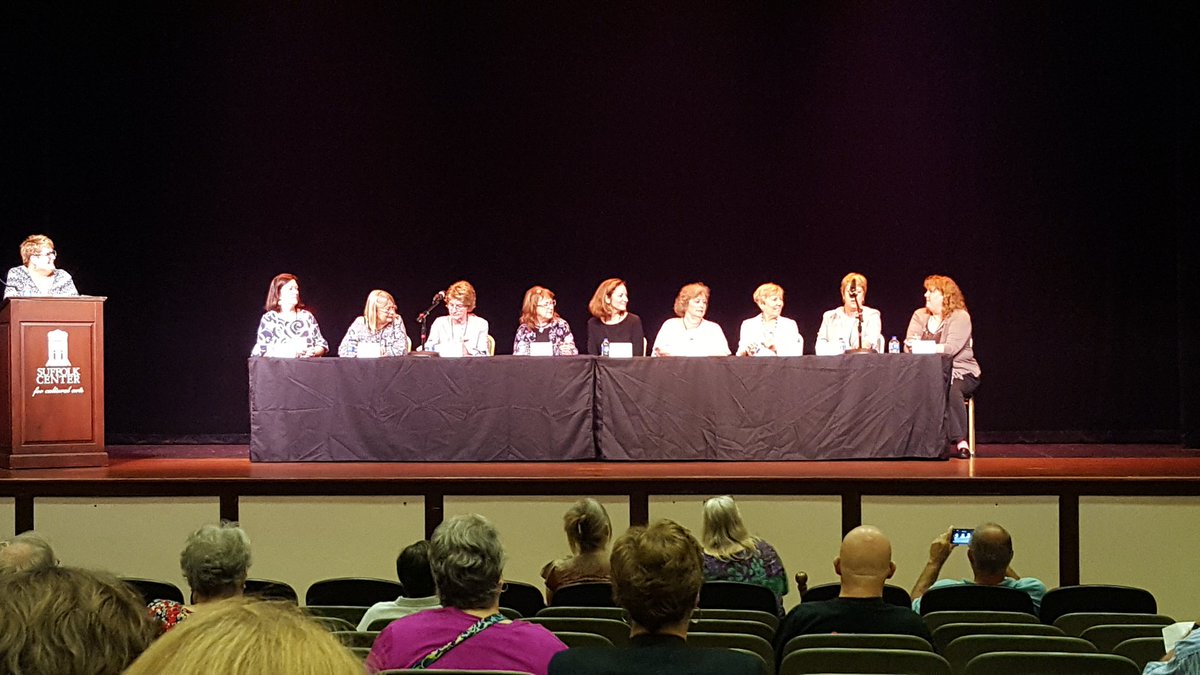
Wait. What? I'm the panel moderator? Don't let it strike fear or cause your knees to knock. It's an honor to be asked to moderate a panel or group talk. Here are some tips I've learned over the years to help it go smoothly.

Before

  1. Know how to pronounce everyone's name. Write it out phonetically if you have to.
  2. Get a short biography from everyone for your introduction. 
  3. If possible, try to read a story or book by each panelist, so you're familiar with his/her work.
  4. Provide the questions to your panelists ahead of time, so they can prepare. Nobody likes surprises or to feel stumped by a question.
  5. Communicate to your panel ahead of time about the expected time length for answers or readings. Let them know that you'll have a signal (e.g. a knock, a wave, a hand gesture) for them to wrap up their answer.
  6. Decide whether you plan to ask every panelist the same set of questions or whether you plan to customize them.
  7. Promote your event and authors on your social media channels.

During

  1. Set the stage of the discussion for your audience. If there are announcements or book signings afterwards, make sure to let everyone know.
  2. You're in charge of the flow of the event and the discussion.
  3. You're also responsible for ensuring that everyone has equal time to speak. You may have to signal or even interrupt if someone is a microphone hog.
  4. Many conferences have a room monitor to set up the space, check the microphones, and watch the clock for the moderator. If there's no room monitor, you'll need to be in charge of managing the clock.
  5. Many moderators don't like to stand at the lectern. If you're going to move about the room, make sure that you don't walk in front of your panel or turn your back to your panel or the audience.
  6. Save at least ten minutes at the end for questions from the audience.
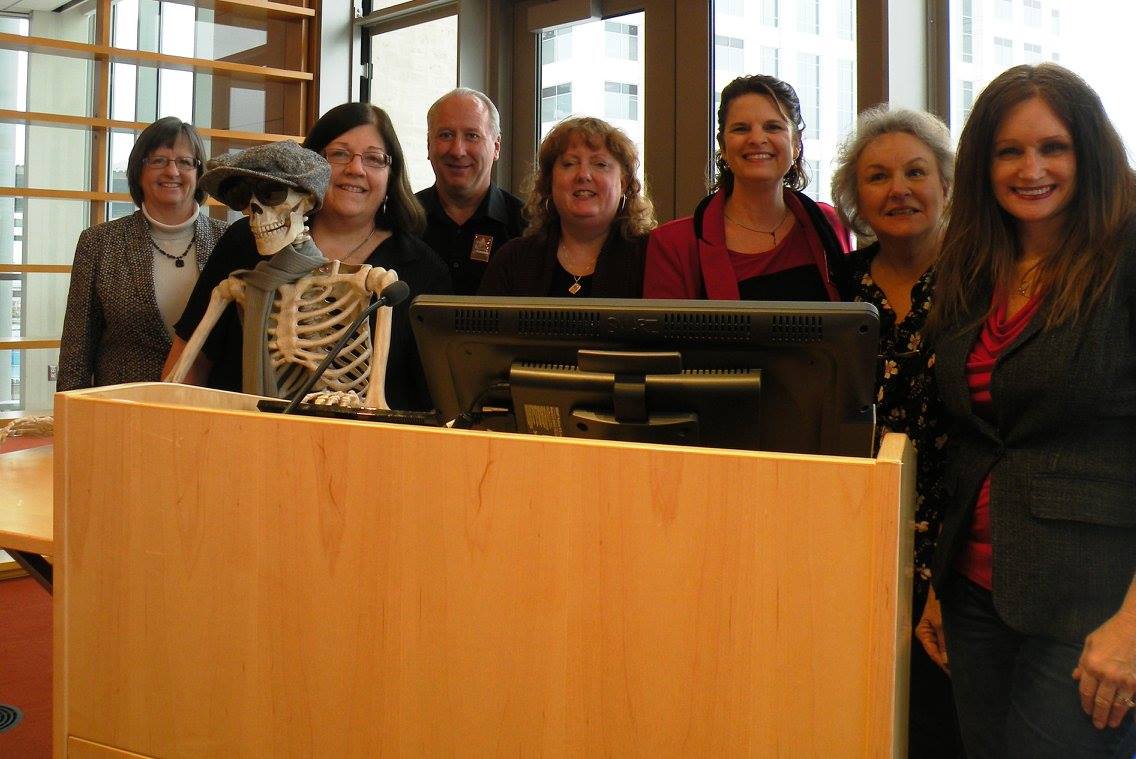
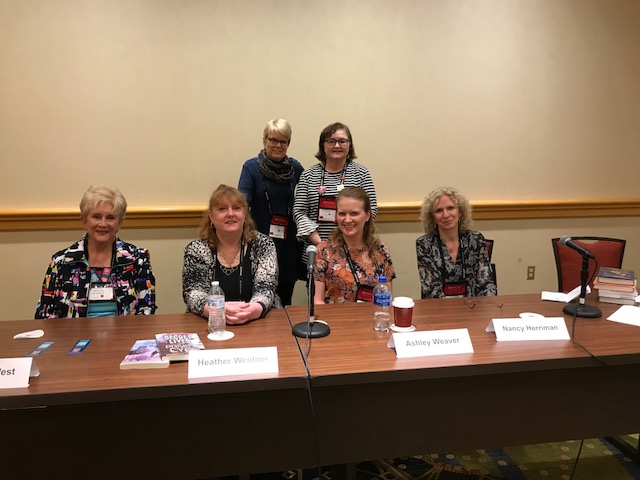
  7. Get someone to take a picture of you with your panelists. 

After

  1. Thank your panelists for their great discussion.
  2. Make sure to thank your audience.
  3. Send a follow up email to your panel to recap the event and to thank them again.
  4. Share your group photo on social media and tag everyone.
  5. Send a thank you to the hosts or organizers.

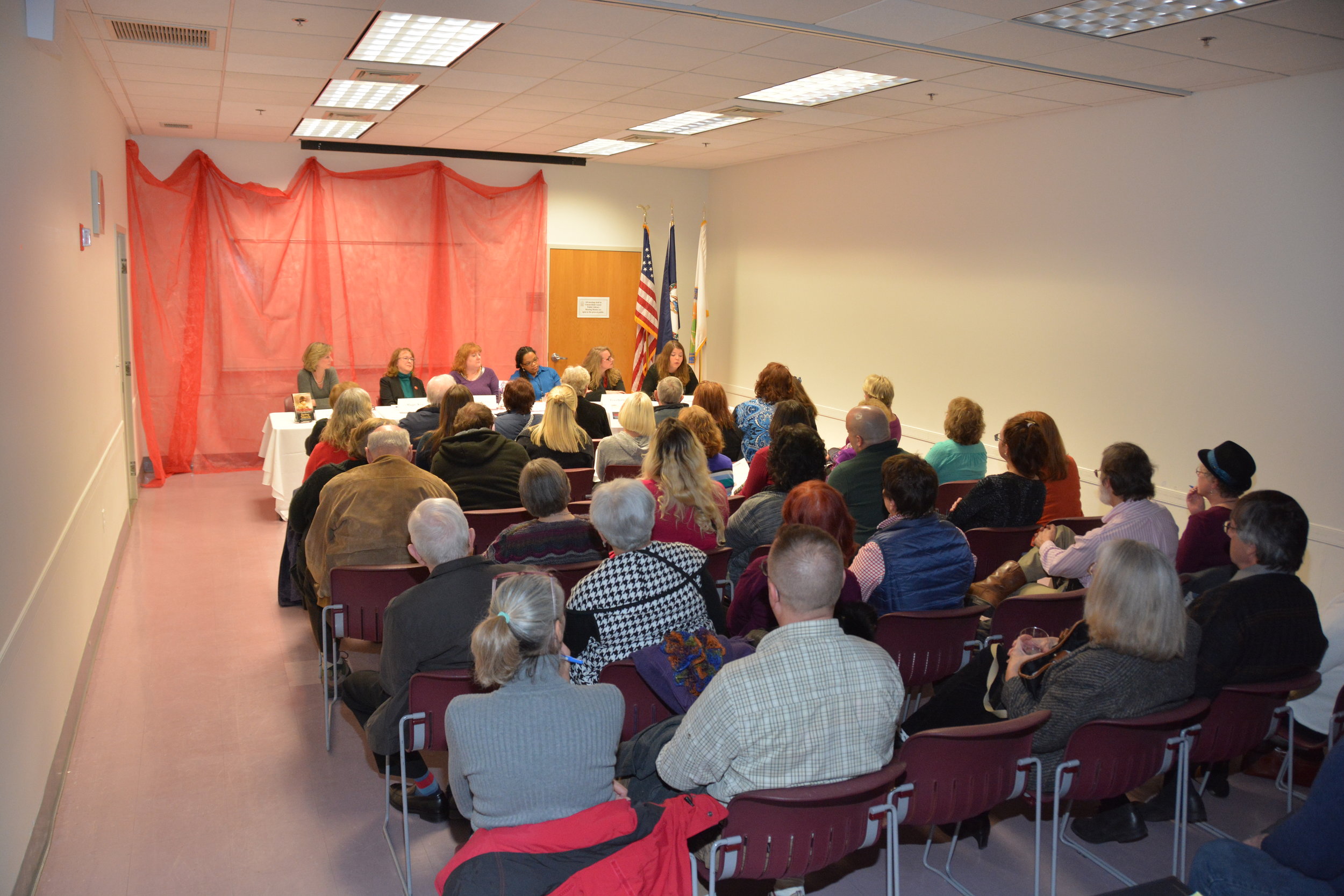
Panel 101 for Authors

IMG_2306.JPG

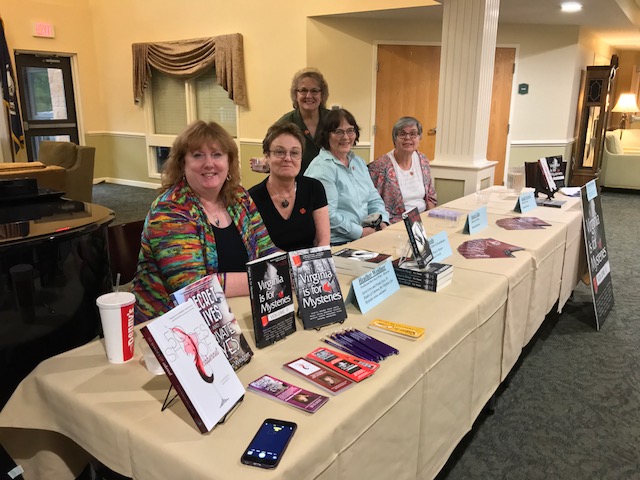
If you're fortunate, you'll be asked to participate on many book discussion panels. The facilitator or moderator should provide you with the logistics (e.g. time, date, topic, questions, etc.).  Here are some lessons I've learned throughout the years.

1. If your moderator provides you with questions, review them and make sure you're comfortable with the topic. Some ask the same question to all panelists, and some have specific questions for each speaker.

2. If you've got a microphone, make sure to test the equipment before you start. if it's a portable microphone, make sure you turn it off when you're chatting or taking a break. The audience can hear you. I went to a conference once, and the speaker wore a lapel mic. He didn't turn it off when he was in the restroom. Embarrassing!

3. If you have a hand-held mic, make sure you hold it close to your mouth. It needs to be close enough to pick up your voice, but not close enough for the breathing.

4. Be present and use good listening skills while the other panelists are speaking. Making faces or tapping toes is distracting.

5. You're in full view of the audience. If the table is not skirted, they can see all of you. Keep your shoes on. 

6. If you bring books, give-aways, or other items, keep them to a minimum. Don't encroach on other panelists' space.

7. Don't interrupt the moderator or the other speakers.

8. Be bright and brief. Don't be the one who hogged the mic and had to do all the talking.

9. If you plan to do a reading, practice it before and know the timing. Stay within the boundaries provided by your moderator. When you choose a passage, make sure that you end with a cliff hanger or a portion that makes the audience want to know what happens next.

10. Always give shout outs and credit in your responses to those who have helped you along the way.

11. If possible, try to familiarize yourself with the other panelists and what they write. If you have time, read their latest work. It makes for a better conversation.

12. Do one last mirror check before you start (e.g. hair, makeup, wardrobe check). Wear comfortable shoes and professional clothes. Make sure your shoes are polished. And ladies, if you wear heels, make sure you can walk across stages or climb steps. Some stages are portable, and there are gaps or flimsy handrails. 

13. Relax and be you. The audience wants to hear about you and your work. Your whole talk shouldn't be "buy my book." Think of interesting things in your book or your writing life to talk about. 

What would you add to my list? Anybody have any funny panel stories?

What Made You Smile This Week?

smile.jpg

What made you smile this week? Here's my list in no particular order...

  1. 5 days off because of the Independence Day holiday. Whoo hooo! Writing time.
  2. Celebrating my Mom's birthday and July 4 with a cookout (and chocolate birthday cake).
  3. Submitting an article for an upcoming journal.
  4. Working on edits for a cozy mystery.
  5. Starting the third Delanie Fitzgerald book (and coming up with a title).
  6. My husband finished the landscaping around the deck and added a firepit. I'm ready to roast marshmallows.
  7. Heading to Kilmarnock, VA on Saturday to be on a fun panel at the Writers' Expo.
  8. Wrapping up edits on a short story called "Art Attack."
  9. Finishing all my reading early for July's critique group.
  10. My dogs - Jack Russells always make me smile.

What would you add to the list? 

An Author's Many Hats

th.jpg

As an author, you will wear many hats along your writing journey, and each one represents a different task. Before I jumped into the writing world, I didn't realize how many expectations there were (and how many different jobs that needed to be done). 

thD9C9LHZG.jpg

Thinking Cap - Use this to plot and draft your story. You may need it to get your character out of a jam.

thDBY3E08L.jpg

Research Cap - This hat is for all the research and interviews that you'll need along the way. (I picked a replica of Indiana Jones' hat. He's the right combination of research and adventure.)

thFEPTBWNH.jpg

Hard Hat - This is your working hat. You need this to build your draft and for your many rounds of editing and critiques.

thAX6BVQZG.jpg

Genre-specific - This is a must for mystery writers. And you may need a magnifying glass to complete the look. This is for adding plot twists, red herrings, and clues.

thL0X8Y6RU.jpg

Marketing Hat - Marketing and promotion are huge jobs. It takes a lot of time and energy to set up blog tours, interviews, events, and social media sites. You'll find that you wear this one more than you ever thought.

thQF3XSYT7.jpg

Business Hat - You need this for all of your accounting and paperwork tasks. I wear mine for tracking mileage, collecting receipts, filing sales tax, completing forms, and tracking sales. It's also my analytical hat for reviewing sales numbers and web/social media metrics.

th0MH6CEEL.jpg

Party Hat - You need this for the celebrations! And I hope there are many along your writing journey.

How Much Writing Did You Do Last Week?

pen.jpg

Last week, I wrote a job description, an advertisement, seven performance reviews, my progress notes, and a strategy plan. I did get the edits completed on my novella, and I wrote three blog posts. But I didn't have any progress on my mystery WIP.

There are weeks when work and life get in the way. I try to write (or edit) something daily. But stuff happens, and my writing schedule doesn't go as planned. Here are some thoughts that I think are important for writers as they progress on their journey. 

Find Like Souls - I love that my writing friend, Barb Goffman, is a Facebook motivator,. She reminds me and others on social media that we should be writing. Get busy and stay focused. Sometimes, I need a jolt or a kick.

My author friend Alan Orloff told me about BIC-FOK (Butt in Chair - Fingers on Keyboard), and he's right. That's how writing gets done. Close the internet browser and write. 

My writing pals are great sources of information and inspiration. I'm in two critique groups and three writing groups. The members are so supportive and generous with their time. I also get recharged when I'm around them. If you don't have a peer group, find one. They are invaluable.

You're Not Alone - I need to remind myself of that from time to time. You need to network, socialize, and support other authors. Find a group that supports your writing efforts. They understand the frustrations and roadblocks. They'll lift you up when you get bad news, and they'll help you celebrate your victories. 

It's More Than Writing - Book marketing is work. (Writing and editing are hard too.) A lot of time and energy (and what feels like blood, sweat, and tears) goes into polishing your story or novel and then letting everyone know it exists. And I can't tell you how many hours I spent on social media platforms, book promos, blog tours, interviews, and events. (I logged 2,400 miles last year. I'm at 1,985 so far this year.) There is always a lot to do, and if you want to be a professional writer, you need to juggle and find the right balance for you.

Don't Beat Yourself Up - If you want to be published, don't give up. Persistence and patience are key traits. And don't be too hard on yourself. Set realistic goals and strive to meet them. Learn what you can from feedback and move on. 

Logotiny.png

9 Writing Blogs You Should Check Out

blogs-2.jpg

I was going through my Twitter feed of writing/book promotion blogs that I read regularly and decided that I should share. Here are 9 that you should check out. They are great resources for information and ideas. In no particular order, here they are...
1. Morgan Wright's Literary Avenue

2. Rachel Thompson's Bad Redhead Media

3. Career Writers

4. Wicked Cozy Authors

5. Jungle Red Writers

6. Kris Spisak

7. Colleen M. Story's Writing and Wellness

8. Jane Friedman

9. Victoria Griffin

What would you add to the list?

Logotiny.png

My TBR Pile and Other Bookish Things This Weekend

IMG_2770.jpg

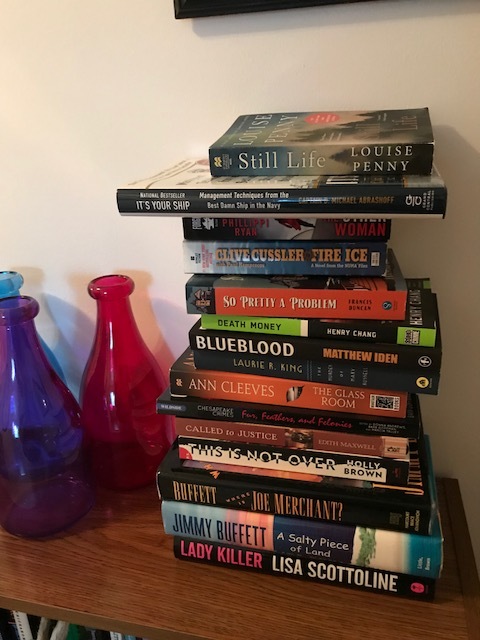
This is one of my TBR (to be read) piles. I did a good job of moving through it, and then I came back from several book festivals this spring with bags of new additions (and editions). But that's not going to stop me from heading over to the Chesterfield Countywide Friends of the Library Really Big Book Sale this afternoon. I'm looking forward to what I can find. (And I may have to start another TBR pile. What's one more.) And I'm still working on my Goodreads reading challenge. I hit the half-way point before June. Whooo hooo!

This is going to be a bookish weekend for me. I'm working on questions for our panel for the Suffolk Mystery Authors Festival in August. We're doing a presentation on the "Many Hats Authors Wear." If you haven't been to this festival, add it to your list. It's one of my favorites. There are so many mystery writers and fun events in one afternoon. 

I'm wrapping up some programming details for our Sisters in Crime - Central Virginia chapter and polishing my short story submission for our next anthology. This one is southern themed, and it should be lots of fun. 

My dog novella, "Moving on" is almost finished. I'm going to do one more read through and send it off for editing. It's going to be in To Fetch a Thief later this year with stories from three other talented writers.

And last, but not least, I'm wrapping up revisions to my new cozy mystery set outside of Charlottesville, Virginia.

I hope you've got big plans for the weekend that include books. Drop me a comment and let me know what's in your TBR pile.

Logotiny.png