What I Learned about Social Media from Rachel Thompson of Bad Redhead Media

I attended a social media boot camp this week with Rachel Thompson, owner of Bad Redhead Media. Rachel has over seventeen years of experience in marketing, and she is also an author. Her tips are spot on for writers who are trying to build or further their brand. Check out her website for tips and the services she offers.

Here's what I learned...

1. Have a goal and know what you want to do with your platform. Come up with your key words and make them consistent across all of your media.

2. Look at your bios. Make sure that they are crisp and well written. Make sure to include a link to your current book.

3. Look at your header photos. You can subtly advertise your books by creating an image of your book covers.

4. You need to go where your readers are. Know the demographics and target audiences of the platforms you use.

5. Use a link-shortening site like Bitly for URLs that you want to include in your posts. Many of the sites have metrics for tracking clicks.

6. Think about adding a newsletter to your site. Newsletters via email are still effective ways to reach those interested in your work.

7. Use social media to build relationships. You need to contribute and share. You should not be the "buy my book" guy or gal.  People tune out noise.

8. Use the search feature on Twitter and other sites to find chats or hashtags on subjects that you're interested. You can also use them to find readers and bloggers.

9. If you blog, check out #MondayBlogs. It's a great way to promote a post and to share others' works.

10. Set up your blog/social media schedule. Be consistent and post something at least once a day.

11. You can pin an announcement Tweet or Facebook post to the top of your newsfeed. This keeps something prominent that you want folks to see.

Please stop by Rachel's blog or website for more great information. She is a wealth of knowledge, and her boot camp was worth attending.
Snow Days are Great for Reading and Writing

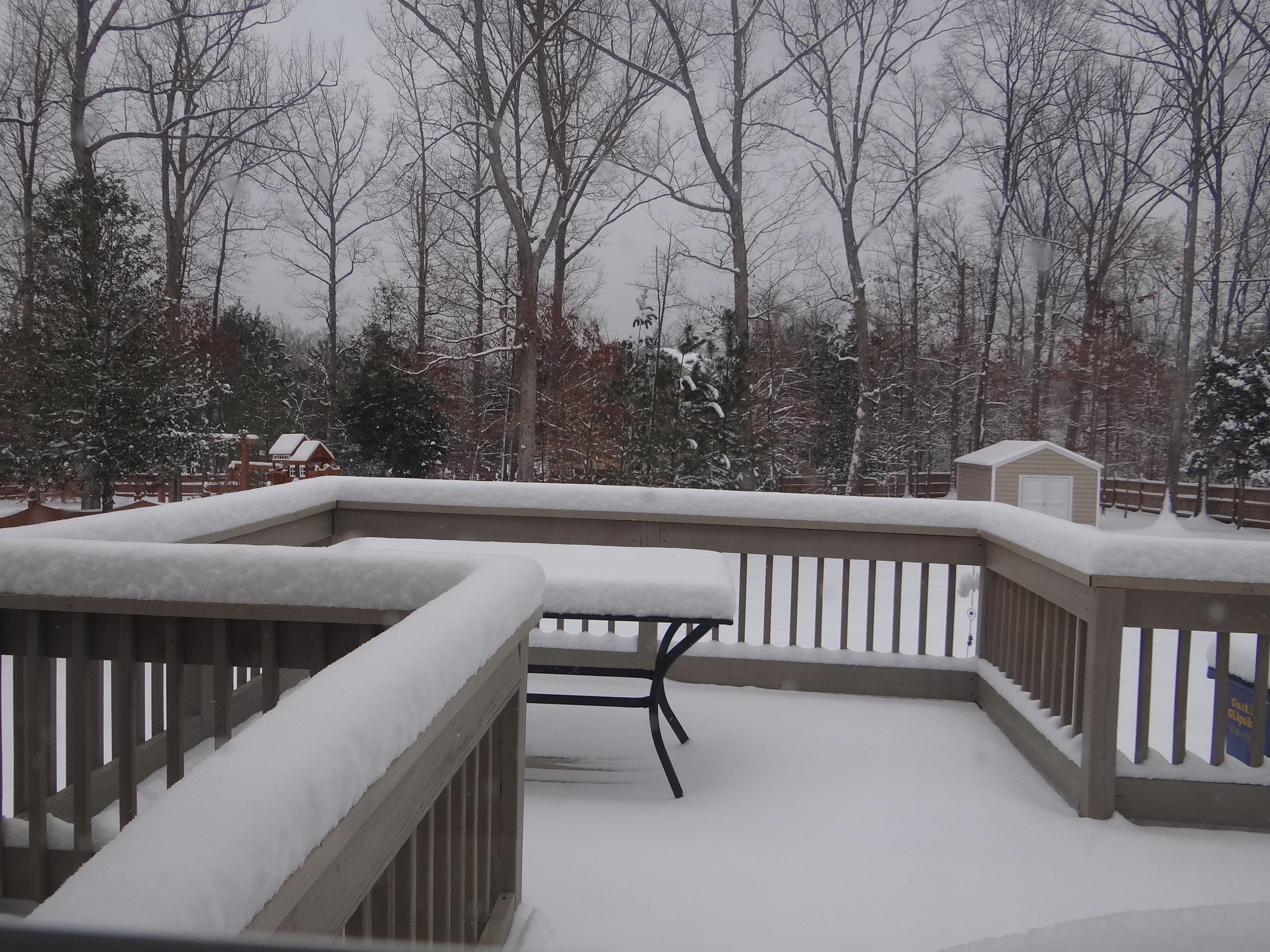
We got another round of the white stuff yesterday. I'm hoping it's winter's final hurrah. The sleet, freezing rain, and snow are getting tedious. But, late starts, early releases, and snow days are great for reading and writing.

I finished Ellery Adams' Murder at the Mystery Suite. Her cozy, set in the mountains of Virginia, takes place at a resort for book lovers. I'm ready to schedule a vacation in her idyllic village. Her characters and world are fun and full of whimsy. But don't get too comfortable. Someone is willing to kill for a first edition.

Last night, I started Verbal Judo: The Gentle Art of Persuasion by George J. Thompson and Jerry B. Jenkins. It's full of lots of good advice for anyone who has to deal with people.

On the writing front, I'm collecting all of the second round of edits for Virginia is for Mysteries II. We are almost ready to send this to the publisher. I'm excited about our latest collection of stories.

And tomorrow, our SinC-CV group is hosting a boot camp about how to use social media.

I hope your weekend is filled with lots of opportunities for reading and writing. And maybe spring is really around the corner...

What Snow Days are Good for...

We got socked with another snow storm. I'm a beach girl. I consider it cold if it drops below sixty-five degrees. These storms that dump six to ten inches of snow are too much. Schools and work are closed, so it's a great day to read, write, and edit.

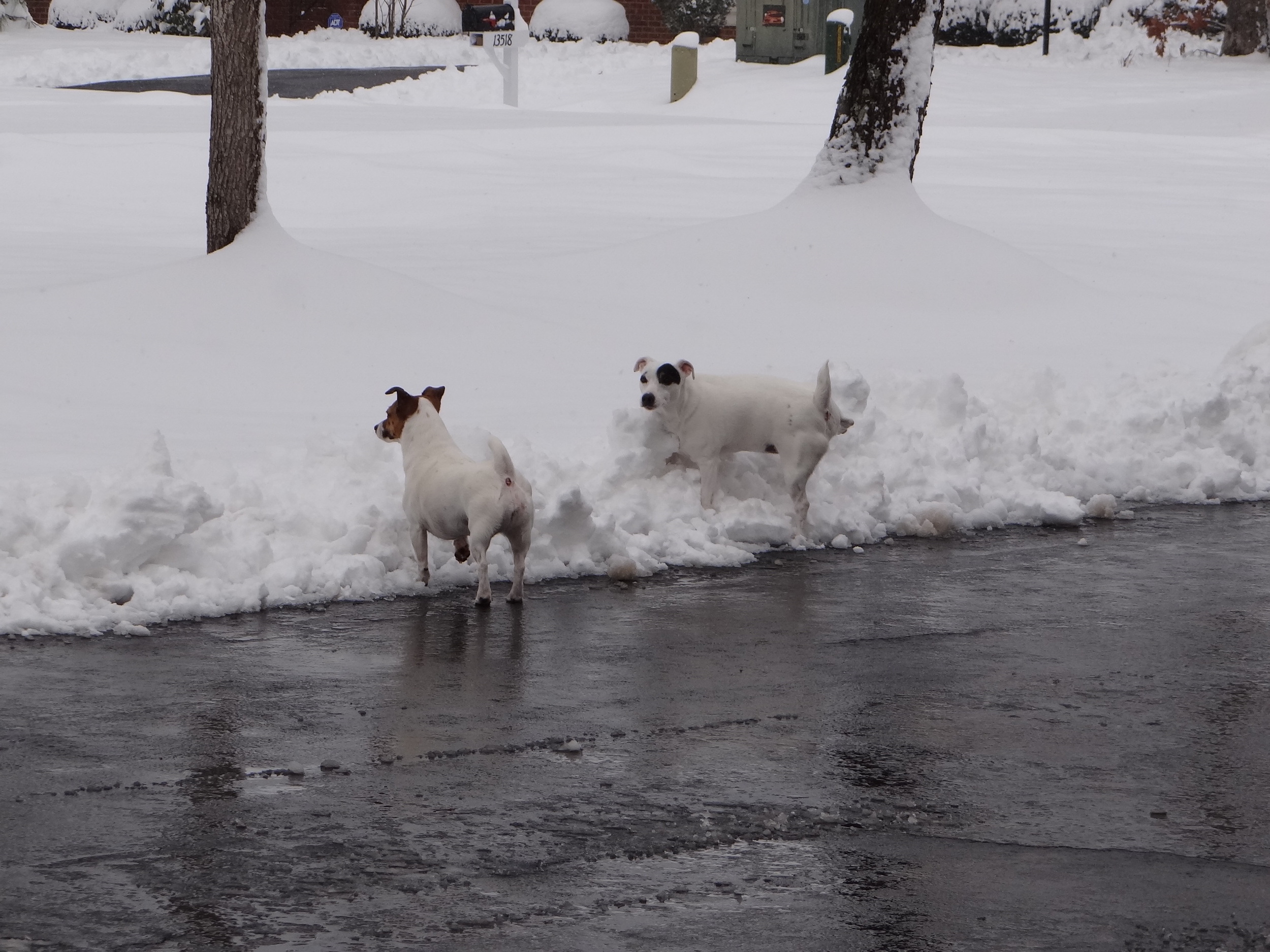
I'm working on the second round of edits for Virginia is for Mysteries. I also sent out some submissions. Now, the JRTs and I are going to enjoy the white stuff from inside next to the fireplace. I'm reading Ellery Adams' Murder in the Mystery Suite. What are you reading?

What I'm Reading...

The snow is on its way. We're supposed to get 6-12 inches by tomorrow. (Anything below 60 degrees is cold to me.) So, it's a perfect afternoon for my Uggs, books, and hot chocolate.

I finished John Grisham's Gray Mountain. I love John Grisham and his books about Virginia.

This one is about a lawyer who loses her fancy NY job during the Great Recession. When dismissed, she's offered a chance to do pro bono work for a charity with the hope of returning to her job in a year or so. Samantha finds that landing a volunteer job isn't that easy either, and she eventually ends up with a legal aide clinic in Appalachia. The work is hard, and she meets the quirky people of Brady, Virginia.

She works as an unpaid intern at the all-female firm. She's introduced to coal life and all its hazards. She also meets her boss' sexy and dangerous nephews.

The story and setting are great. The crimes are atrocious, and the people are suffering.

My only fault is with some of the characters. They're a little flat, and there were a couple of the main ones that I really didn't care about. Usually, I'm cheering for his main characters, and I want them to win.

Despite a couple of the characters,  Gray Mountain is a good story, and it's worth adding to your winter reading list.


What I Learned from Mary Burton's Writing Process

The Virginia Romance Writers recently invited our SinC-CV group to attend their February meeting to hear Mary Burton's presentation on writing. Here's what I learned...

1. Write your first draft and finish it. You can edit at another stage.

2. Set daily page or word count goals. You will stay on track if you have deadlines.

3. When you start to edit, check the last word of each sentence to make sure that it's strong.

4. Create a list of overused or weak words. When you're editing, go through and search for each one. Get rid of the dead weight.

5. If you're bored with your manuscript, your reader will be too.

6. Pay attention to your work's setting. Know your location. GoogleMaps can help.

7. Know where your work fits in with the market and be able to explain it. But don't write to the market.

8. Make sure that you have escalating conflict.

9. Don't make your heroes and villains flat. They need to be well rounded and interesting.

What Makes Our Critique Group Work

I love my critique group. I learn as much from the discussion of others' works as I do from when they review mine. Our background, genders, age groups, and life experiences are varied, and that's an asset because of the breadth of knowledge. The group shares resources, reads, and provides reviews for published works.

Here's Why Our Group Works...

1. No one knew each other before we started the group, and there were no predetermined alliances.

2. We set the rules/procedures up front, and we review them to see if they need to change.

3. We have one standing facilitator and a backup if she can't attend.

4. Participants don't have to provide materials for each review at each meeting. It's up to the submitter to determine when he/she has items to review. I don't submit every month, but it keeps me motivated and provides deadlines for writing.

5. The comments/feedback aren't personal. We all have a common goal to get our work published, and we want to make our manuscripts as strong as possible.

6. We mark typos, punctuation, and grammar issues, but we don't spend the group's discussion time dwelling on these types of issues.

7. In the discussion, if more than one person agrees or disagrees with a comment, we pipe up when it's mentioned instead of repeating the same things over and over.

8. We commit to reading and providing feedback each month as part of the group. It takes time, but it is worth it.

I have learned a lot from this group. If you are serious about writing, you need a good, strong writing partner or critique group.